
Best Time to Visit Japan: Cherry Blossoms to Autumn Leaves
The best time to visit Japan depends entirely on what you want to experience. Japan is a genuinely four-season country, and each season delivers something distinct enough to shape the entire character of a trip. Spring brings the cherry blossoms that people plan around years in advance. Autumn delivers some of the most extraordinary foliage on earth. Summer is festival season, loud and alive. Winter is quieter, cheaper, and surprisingly beautiful in its own way.
This guide covers every season, every month, and the key events that define the Japanese calendar so you can choose the timing that matches your travel style and priorities.
| Season | Months | Highlight | Crowds | Budget |
|---|---|---|---|---|
| Spring | March to May | Cherry blossoms (sakura) | Very high | High |
| Summer | June to August | Festivals, fireworks | High | Mid-High |
| Autumn | September to November | Maple foliage (koyo) | High | High |
| Winter | December to February | Snow, onsens, fewer crowds | Low | Low |
Spring is when Japan reaches peak beauty. The sakura (cherry blossom) season typically runs from late March to mid-April, beginning in southern Kyushu and moving northward through Tokyo, Kyoto, and eventually Hokkaido by early May. The timing shifts by a week or two each year depending on winter temperatures, so tracking the forecast before booking is worthwhile.
The experience of hanami, the Japanese tradition of gathering under cherry trees to eat, drink, and appreciate the blossoms, is one of the most joyful public celebrations in the world. Parks like Maruyama Park in Kyoto and Ueno Park in Tokyo fill with picnickers from dawn.
- Late March to early April: peak sakura in Tokyo and Kyoto
- Mid to late April: sakura reaches Tohoku and northern regions
- May: warm, clear days, azaleas blooming, crowds begin to thin
Summer in Japan is hot, humid, and brilliantly alive. June brings the rainy season (tsuyu), with warm rain falling most days for three to four weeks. It is not the ideal time for outdoor sightseeing, but temples and gardens look extraordinarily lush and hydrangeas bloom across the country.
July and August are Japan’s festival months. The Gion Matsuri in Kyoto in July is the most famous summer festival in the country, with elaborate float processions through the city streets. Fireworks festivals (hanabi taikai) take place almost every weekend across Japan. The atmosphere is electric but the heat is real. Temperatures regularly exceed 35 degrees Celsius in the cities.
- June: rainy season, hydrangeas, fewer tourists
- July: Gion Matsuri in Kyoto, Tanabata festival
- August: fireworks festivals, Obon celebrations, mountain hiking season
Cherry blossom season transforms Japan in ways that photographs only partially capture. The experience of hanami beneath full sakura is genuinely unlike anything else.
Autumn rivals spring as the best time to visit Japan, and for many experienced travelers it edges ahead. The koyo (autumn leaf) season typically runs from mid-October through late November, beginning in the mountains of Hokkaido and moving south through Tohoku, Tokyo, and Kyoto. The maple foliage in the temple gardens of Kyoto, particularly at Tofuku-ji and Eikan-do, is among the most beautiful things you can see in Japan.
September is the transition month. The summer heat fades, typhoon season runs through mid-October (mostly affecting the Pacific coast), and the countryside begins its color shift. October is clear, cool, and excellent for hiking. November is the peak of foliage season and draws crowds comparable to cherry blossom time.
- September: cooling down, transitional, fewer crowds
- October: clear skies, hiking season, early foliage in the north
- Mid to late November: peak koyo in Kyoto, Tokyo, central Japan
Winter is the most underrated time to visit Japan. The crowds that define spring and autumn are largely absent. Hotel prices drop significantly. The country reveals a different kind of beauty under snow, and the combination of snow-covered temples and a steaming outdoor onsen is one of Japan’s genuinely great experiences.
Hokkaido in particular is extraordinary in winter. The Sapporo Snow Festival in February draws visitors from across Asia for elaborate ice sculptures on a scale that defies belief. Ski resorts in Hokkaido and Nagano receive some of the best powder snow in the world.
Tokyo and Kyoto in winter are cold but clear, with low humidity and excellent visibility. December brings illumination displays across both cities that rival Christmas light shows anywhere in Europe. New Year in Japan is a major cultural event, centered on temple visits at midnight on December 31st.
- December: illuminations, New Year preparations, Christmas atmosphere
- January: quietest month of the year, excellent hotel rates
- February: Sapporo Snow Festival, plum blossoms beginning in Kyushu
The quietest month of the year. Cold and dry in Tokyo and Kyoto. Excellent skiing in Hokkaido and Nagano. New Year celebrations in the first week draw domestic travelers, after which the country quiets considerably. Best month for budget travelers wanting low prices and minimal queues.
Still cold but the first signs of spring begin in southern Japan. Plum blossoms (ume) appear before sakura and are beautiful in their own right. The Sapporo Snow Festival transforms Hokkaido’s capital into an outdoor sculpture exhibition. Ski conditions are at their peak.
The beginning of sakura season in the south. Cherry blossoms arrive in Kyushu and begin their northward march. Late March typically sees the first blooms in Tokyo. Accommodation prices begin rising sharply. An excellent month for travelers who want early sakura without the absolute peak crowds.
Peak cherry blossom season in Tokyo and Kyoto. The most popular month to visit Japan for international travelers. Crowds are substantial at major viewing spots. Hanami picnics fill parks from dawn. Despite the crowds, the beauty of this month is difficult to overstate. Book everything well in advance.
One of the most pleasant months to visit Japan. Warm and clear without the summer humidity. Sakura has passed in the south but continues northward. Golden Week (late April to early May) is Japan’s biggest domestic travel period, so the first week is crowded, after which things quiet considerably. Azaleas bloom across the country.
Rainy season begins mid-June. Despite the rain, this is a genuinely good time to visit. Fewer international tourists mean major sites feel accessible. Hydrangeas are in full bloom. Temple gardens look extraordinarily lush. Prices drop from spring highs. Pack a light rain jacket rather than an umbrella.
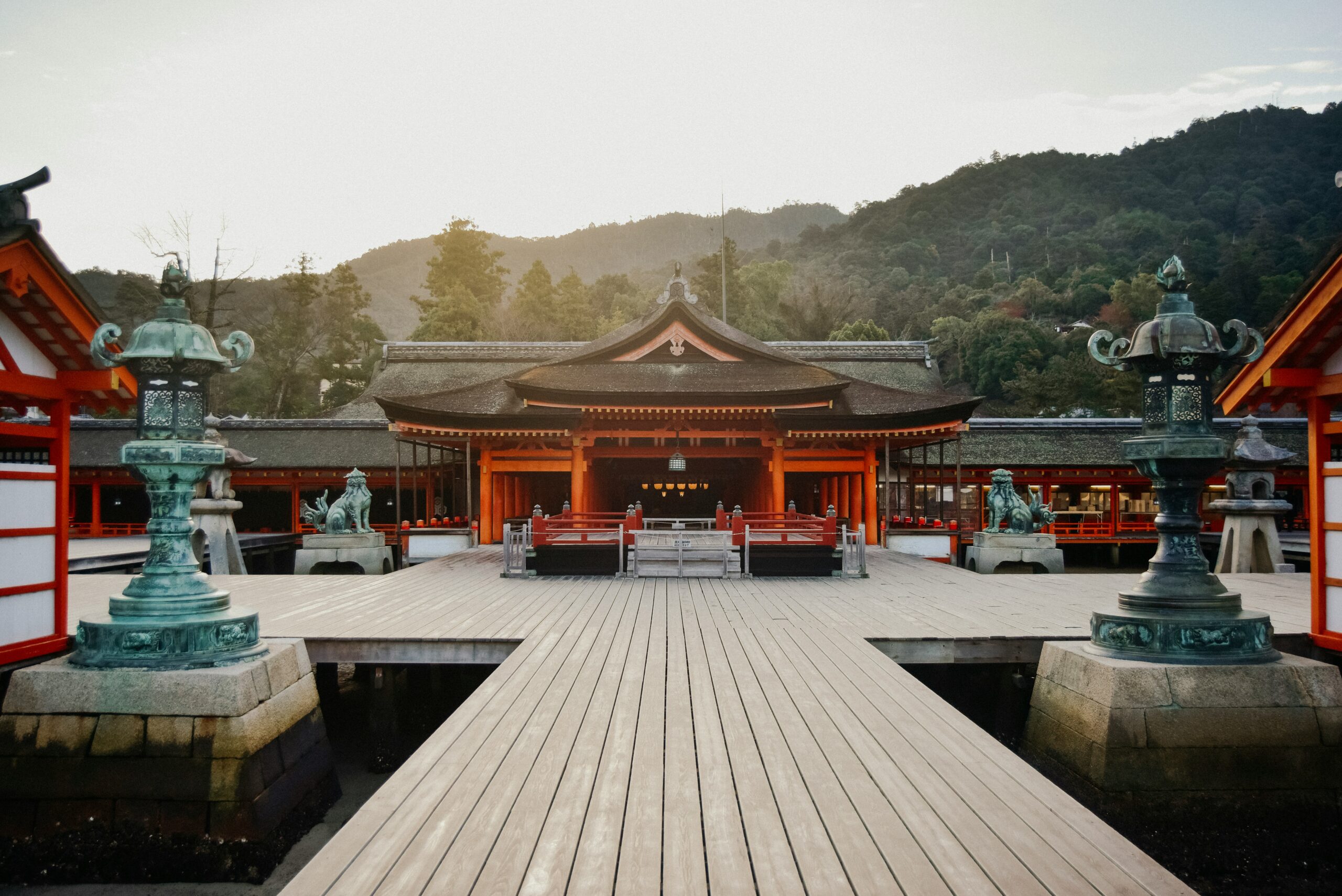
Autumn foliage in Kyoto’s temple gardens is among the most photographed natural spectacles in Japan. Peak koyo typically arrives in mid to late November.
Hot and humid. Summer festivals begin in earnest, including the famous Gion Matsuri in Kyoto. Fireworks festivals take place across the country on weekend evenings. Explore air-conditioned museums and temples during midday heat and save outdoor activities for morning and early evening. Mountain destinations provide welcome relief from city temperatures.
The hottest month of the year. Obon week (mid-August) is Japan’s major summer holiday when many businesses close and domestic travel peaks. Fireworks and summer festivals continue. Coastal destinations become popular with Japanese vacationers. Mountain hiking season is at its best in the Japanese Alps and around Mount Fuji.
The transition month. Summer heat begins to fade by mid-September. Typhoon season runs through October and can disrupt travel on the Pacific coast, though major disruptions are relatively rare. An underrated month to visit with moderate crowds and pleasant temperatures by the end of the month.
Excellent travel month. Clear skies, comfortable temperatures, and the beginning of autumn color in northern Japan. Early koyo appears in Hokkaido and the Japanese Alps. Hiking conditions are perfect across the country. Crowds are manageable compared to the peak months of April and November.
Peak autumn foliage month. The maple colors in Kyoto reach their most intense during the second and third weeks of November. Temple gardens are extraordinary. Crowds are significant at popular koyo spots, similar in scale to cherry blossom season. Book accommodation well in advance for mid-November in Kyoto particularly.
A beautiful month to visit Japan. Winter illumination displays begin in late November and run through January, transforming parks and shopping areas across the country. The New Year period from December 30th to January 3rd is the exception, when domestic travel peaks and many attractions fill with Japanese visitors performing hatsumode (first shrine visit of the year).
- Cherry blossoms (sakura): Late March to mid-April depending on region
- Autumn foliage (koyo): Mid-October (Hokkaido) to late November (Kyoto)
- Skiing and snow: January to March in Hokkaido and Nagano
- Summer festivals: July and August across the country
- Mount Fuji climbing: July and August (official season)
- Onsen experience: Excellent year-round, most atmospheric in winter
- Budget travel: January, February, June
- Fewest crowds: January and February
Whatever time of year you visit, a few practical considerations apply across all seasons. The JR Pass for intercity travel must be purchased before arriving in Japan. A Suica or Pasmo IC card handles all local transport within cities. Accommodation in Kyoto books out months in advance during peak periods regardless of season.
Japan’s convenience stores (konbini) are open 24 hours and provide genuinely good food, cash from international ATMs, and almost anything you might need on a journey. They are one of the country’s underrated travel assets and worth leaning on throughout your trip regardless of season.
The best time to visit Japan is ultimately the time that matches what you want to experience. The country delivers something genuinely extraordinary in every season. Cherry blossoms in spring. Summer festivals and mountain hikes. The maple cathedrals of Kyoto in November. The quiet, snow-covered temples of winter. No season disappoints. Some seasons simply require more planning and earlier booking than others.
Whatever month you choose, give yourself enough time. Japan is a country that rewards depth over speed, and the traveler who returns for a second or third visit almost always finds it even better than the first.
Planning Your Japan Trip?
Discover more Japan guides, itineraries, and seasonal travel tips on Tripfavor.
Explore Tripfavor →