
Kenya Safari Guide: How to Plan the Perfect Trip
A Kenya safari is one of the most extraordinary travel experiences available anywhere on earth. The country sits at the heart of East Africa’s wildlife corridor and is home to some of the most diverse and densely populated game reserves on the continent. The Maasai Mara alone draws travelers from every corner of the world for the annual wildebeest migration, one of the greatest wildlife spectacles in nature.
This Kenya safari guide covers everything first-time visitors need to plan their trip: the best parks, the right time to go, what a safari actually costs, how to choose between budget camping and luxury tented camps, and the practical details that make the difference between a good safari and an unforgettable one.
Kenya has been one of Africa’s premier safari destinations for over a century, and for good reason. The country offers an extraordinary combination of wildlife diversity, accessible infrastructure, and a range of experiences from budget camping to some of the most luxurious tented camps in Africa.
The Big Five (lion, leopard, elephant, buffalo, and rhino) are all present in Kenya’s major parks. The Maasai Mara is the only place on earth where you can witness the Great Migration from the Kenyan side of the Mara River, watching hundreds of thousands of wildebeest cross in a chaos of water and crocodiles that remains one of nature’s most dramatic events.
According to Kenya Tourism Board’s official website, the country welcomes over two million tourists annually, with wildlife tourism accounting for the largest share of visitor arrivals.
The Maasai Mara is Kenya’s most famous wildlife reserve and the centerpiece of any serious Kenya safari. The reserve covers 1,510 square kilometers of open savannah in southwestern Kenya and shares a border with Tanzania’s Serengeti, forming one continuous ecosystem.
The Mara is home to exceptional year-round lion populations, large herds of elephant and buffalo, cheetah, leopard, and during the migration season, numbers of wildebeest and zebra that are genuinely difficult to comprehend until you see them in person. The light on the Mara in the early morning and late afternoon is extraordinary for photography.
- Best for: Great Migration (July to October), year-round big cat sightings
- Nearest town: Narok (2.5 hours from Nairobi)
- Park fees: approximately $200 per person per day during peak season
Amboseli sits at the foot of Mount Kilimanjaro on the border with Tanzania and is famous for two things: enormous elephant herds and the backdrop of Africa’s highest peak rising behind them. The photographs you associate with African elephants against a snowcapped mountain are almost certainly from Amboseli.
The park covers around 390 square kilometers and is much smaller and more accessible than the Mara. Lion, buffalo, wildebeest, zebra, hyena, and giraffe are all reliably sighted. The Observation Hill viewpoint gives a panoramic view of the swamp and surrounding plains that is one of the best wildlife vistas in Kenya.
- Best for: Elephant sightings, Mount Kilimanjaro backdrop, photography
- Distance from Nairobi: approximately 4 hours by road
- Best combined with: Tsavo West or East for a longer safari circuit
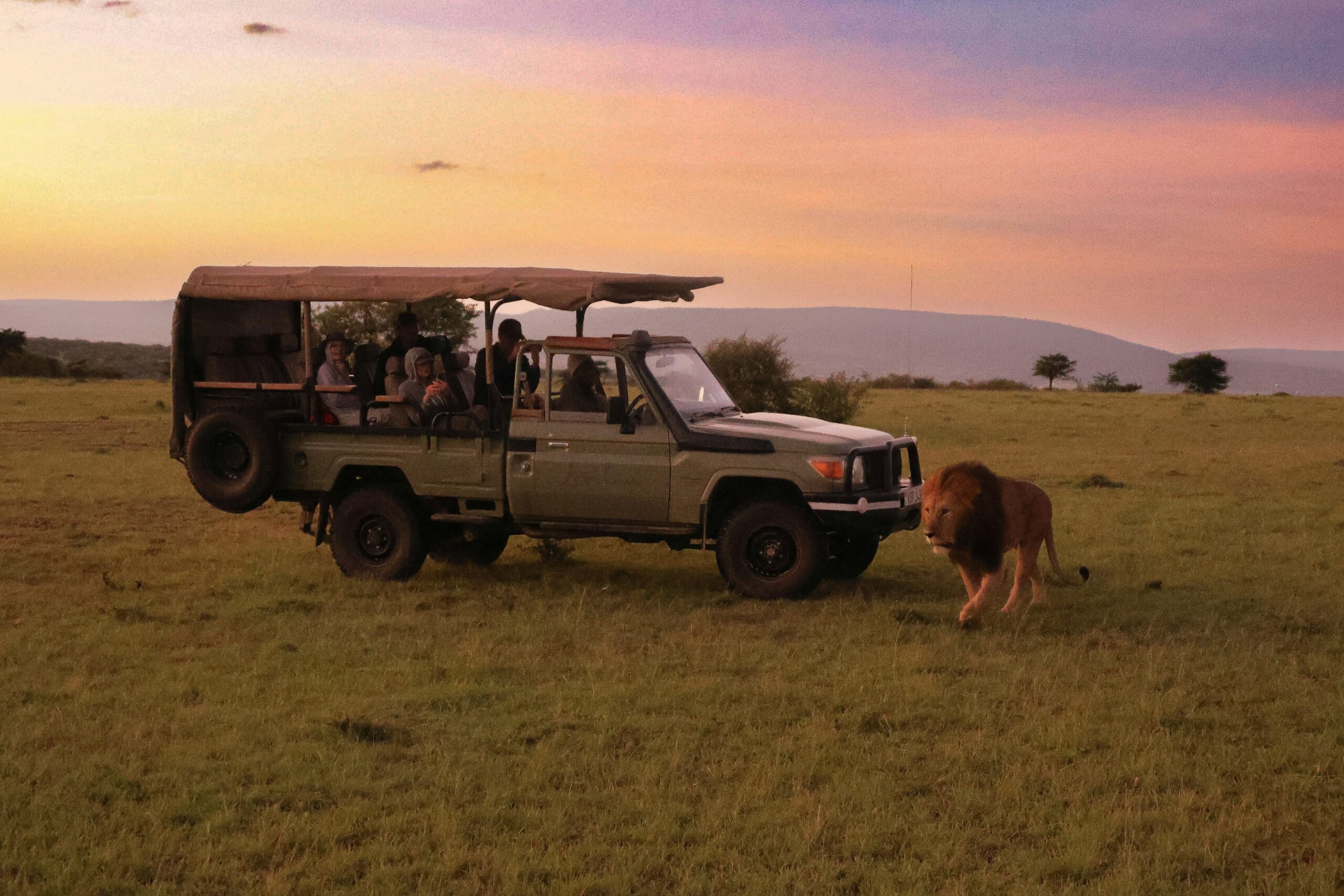
The Great Migration crosses the Mara River between July and October. Nothing prepares you for the scale of it in person.
Samburu in northern Kenya offers wildlife found nowhere else in the country. The reserve is home to the so-called Samburu Special Five: reticulated giraffe, Grevy’s zebra, Somali ostrich, beisa oryx, and gerenuk. These species are endemic to this region and represent a compelling reason to go beyond the standard Mara circuit.
The landscape is dramatically different from the Mara, with arid scrubland, doum palms, and the Ewaso Nyiro river providing a green corridor through the dry terrain. Elephant and lion populations are significant and the camps here tend toward the intimate and exclusive end of the market.
Tsavo East and West together form one of the largest national parks in the world, covering over 20,000 square kilometers. Less visited than the Mara and Amboseli, Tsavo offers excellent wildlife sightings including the famous red elephants (stained by the area’s red volcanic soil), large lion prides, and critically endangered black rhino in the Ngulia Rhino Sanctuary.
Tsavo is an excellent choice for travelers who want a genuine wilderness experience with fewer vehicles. Accommodation is more affordable than in the Mara, and the dramatic landscape of Tsavo West includes the Mzima Springs, where hippos and crocodiles can be observed from an underwater viewing chamber.
Kenya offers good wildlife viewing year-round, but two periods stand out as the best time to visit depending on your priorities.
| Period | Season | Highlight | Crowds |
|---|---|---|---|
| July to October | Dry season | Great Migration river crossings | High |
| January to February | Dry season | Calving season, fewer tourists | Low to Moderate |
| June | Shoulder | Migration arrives in Mara | Moderate |
| March to May | Long rains | Green landscape, low prices | Low |
| November | Short rains | Birdwatching, budget rates | Low |
The Great Migration is in the Maasai Mara from approximately July to October, with the famous Mara River crossings peaking between August and September. This is the most dramatic wildlife event in Kenya and the reason most first-time visitors choose this window.
January and February offer an equally compelling but less visited experience. The wildebeest calving season takes place in the Serengeti during these months, and the Mara is quieter and significantly cheaper while still offering exceptional lion, elephant, and leopard sightings.
Budget safaris use shared vehicles (typically 6 to 8 passengers in a minibus), public campsites, and set menus. They cover the major parks and deliver genuine wildlife experiences at a fraction of the luxury price. The trade-off is less flexibility in game drive timing and smaller vehicles that can feel crowded at popular sightings.
Budget safaris from Nairobi to the Mara and back typically run 3 to 4 days and cost between $400 and $700 per person all-inclusive.
Mid-range tented camps offer private en-suite tents with proper beds, shared dining areas, and dedicated 4×4 vehicles with a maximum of 6 guests. This is the most popular option for first-time safari travelers. The experience feels genuinely wild while providing comfort and flexibility for early morning and late afternoon game drives.
Kenya’s luxury camps set the global standard for safari accommodation. Private tents the size of hotel suites, butler service, private game drives with a dedicated guide and vehicle, bush dinners under the stars, and spa facilities hidden in the landscape. Camps like Angama Mara, Mahali Mzuri, and &Beyond Kichwa Tembo are among the finest hospitality experiences in the world.
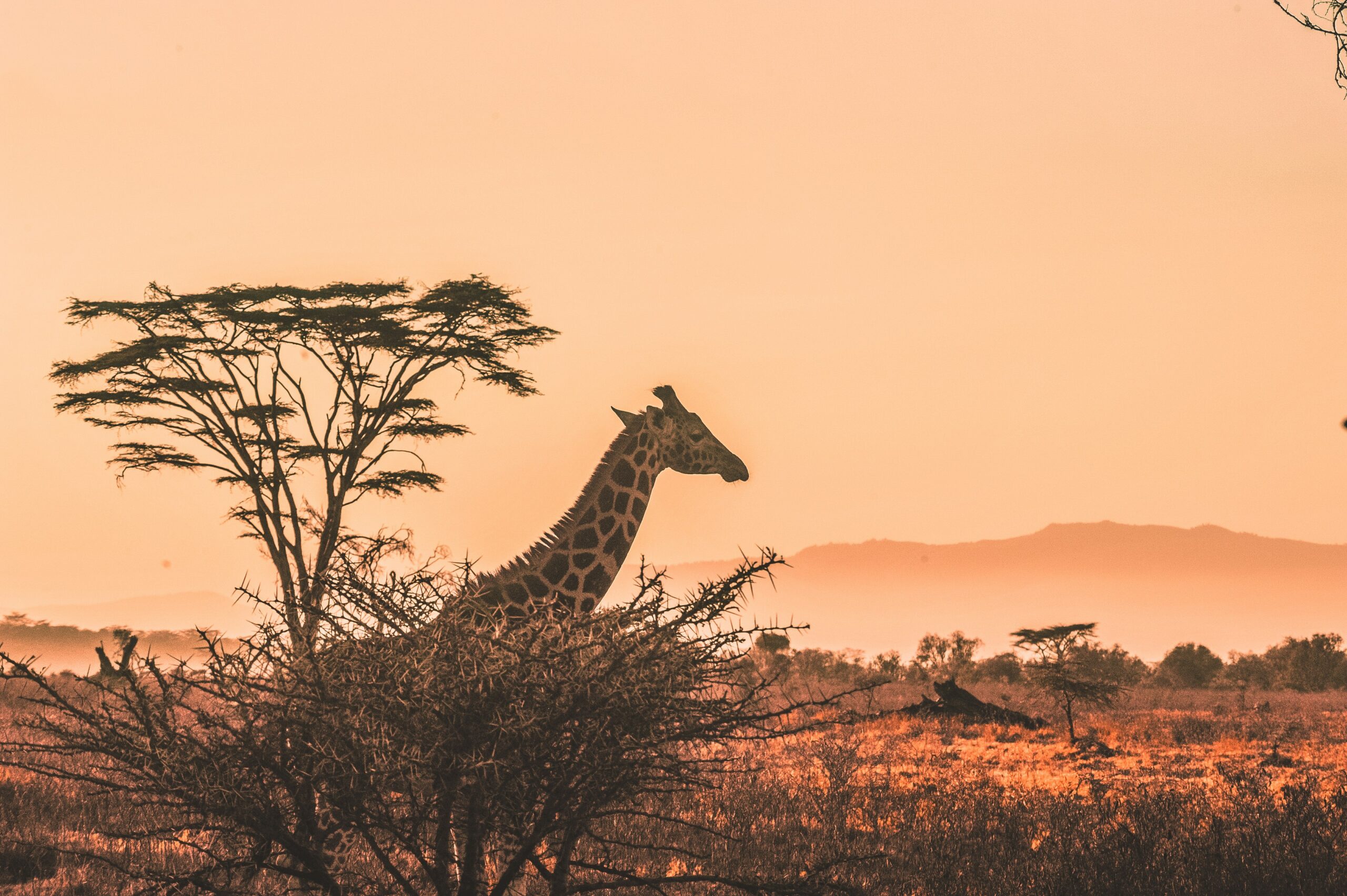
Kenya’s elephant herds are among the largest and most accessible in Africa. Amboseli and Tsavo offer the most reliable sightings year-round.
| Safari Type | Daily Cost Per Person | Includes |
|---|---|---|
| Budget camping | $150 to $250 | Transport, accommodation, meals, park fees |
| Mid-range tented | $350 to $600 | All inclusive, private vehicle |
| Luxury camp | $800 to $2,000+ | All inclusive, private guide, transfers |
Park entry fees in Kenya are charged per person per day and are not always included in quoted safari prices. The Maasai Mara charges approximately $200 per person per day during peak season (July to October). Always confirm whether park fees are included when comparing quotes.
- Book early: The best camps and vehicles during migration season sell out 12 to 18 months in advance
- Pack neutral colors: Khaki, olive, and brown. Avoid white and bright colors that disturb wildlife
- Bring a quality camera: A telephoto lens of 200mm minimum makes an enormous difference to the photographs you come home with
- Get vaccinated: Yellow fever, typhoid, and hepatitis A are recommended. Malaria prophylaxis is essential for all safari parks
- Carry USD cash: Many lodges and camps accept USD for tips, souvenirs, and extras
- Start game drives early: The hour after dawn is consistently the best time for wildlife activity and photography light
A Kenya safari delivers experiences that stay with you for decades. The scale of the wildlife, the quality of the light, the silence of the savannah at dawn before the day begins. It is one of those rare trips that genuinely exceeds expectations regardless of how high you set them.
Plan carefully, book early for the best camps and migration timing, and give yourself enough days to move slowly. The travelers who rush a Kenya safari are always the ones who immediately start planning to return.
Ready to Plan Your Kenya Safari?
Discover more Africa guides, destination tips, and travel itineraries on Tripfavor.
Explore Tripfavor →