
New York Travel Guide: Everything You Need to Know
New York City is the most visited city in the United States and one of the great metropolitan experiences on earth. The density of what the city offers within a walkable, subway-connected area is genuinely extraordinary: world-class museums, the finest restaurant scene in the western hemisphere, Central Park, Broadway, the High Line, the Brooklyn Bridge, and neighborhoods ranging from the 19th-century brownstones of the West Village to the gleaming towers of Hudson Yards. No single visit covers New York. The city simply has too much.
This New York travel guide covers everything first-time visitors need to know: the essential landmarks, the best neighborhoods to explore, where to eat well at every budget, how to navigate the subway, the best time to visit, and the practical details that make one of the world’s most complex and rewarding cities feel manageable from the first day.
New York’s greatness comes from its concentration. The Metropolitan Museum of Art, the Museum of Modern Art, the Guggenheim, the Whitney, and dozens of other world-class museums are all within a few square miles of each other. The restaurant scene draws chefs from every culinary tradition and produces innovations that influence global food culture. The city’s diversity, with over 800 languages spoken by its 8.3 million residents, creates a cultural texture that no other American city can match.
According to NYC Tourism and Conventions, New York City welcomes over 60 million visitors annually, making it one of the most visited cities in the world. The city’s infrastructure for tourism is comprehensive, its public transport is extensive if imperfect, and the sheer density of things to do and see means that even a week barely scratches the surface.
Central Park is 843 acres of designed landscape in the middle of Manhattan, one of the most consequential pieces of landscape architecture in the world. The park was created between 1858 and 1876 from a rocky, swampy terrain and now contains lakes, meadows, a skating rink, a zoo, outdoor concert venues, and more than 9,000 benches where New Yorkers and visitors conduct the entire range of human activity from dawn to after dark.
Walking the full length of Central Park from south to north takes about an hour at a comfortable pace. The Reservoir, the Great Lawn, Strawberry Fields, and Bethesda Fountain are the major landmarks within the park worth finding.
The Metropolitan Museum of Art on Fifth Avenue is one of the great museums in the world. The permanent collection spans 5,000 years of human creativity across every culture and medium. The Egyptian wing with the Temple of Dendur, the European paintings galleries, and the American Wing rooftop sculpture garden are consistently outstanding. Pre-booking timed entry online is recommended for peak season.
The High Line is an elevated linear park built on a disused freight railway line running through Chelsea and Hell’s Kitchen. The 2.3-kilometer park is planted with wild grasses and perennials and the views of the Hudson River and the adjacent architecture are excellent throughout.
At the northern end, Hudson Yards contains the Vessel (a climbable sculpture of 154 interconnected staircases) and the Edge observation deck at the top of 30 Hudson Yards, the highest outdoor observation deck in the western hemisphere.
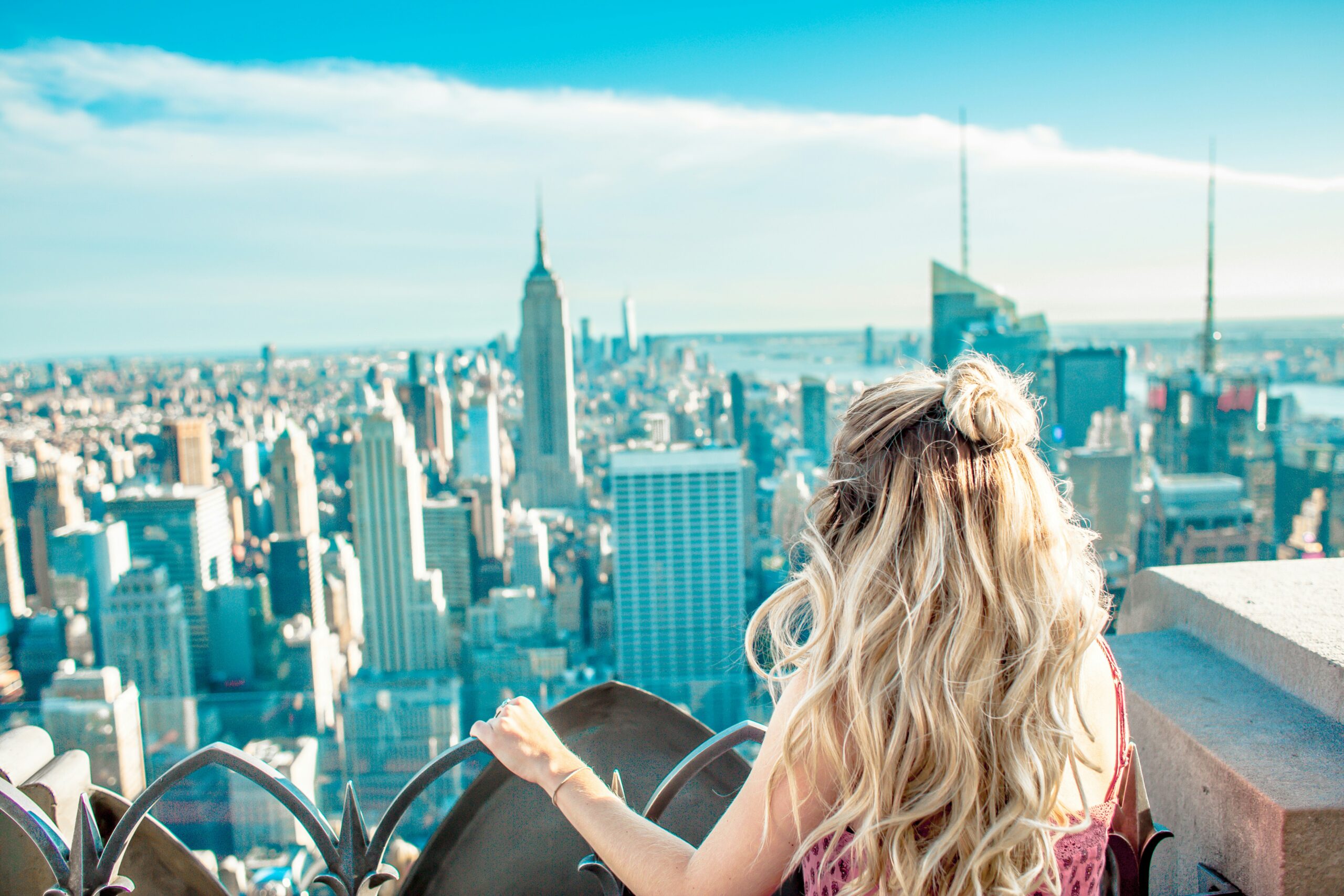
The Statue of Liberty with the Lower Manhattan skyline and One World Trade Center behind. The free Staten Island Ferry passes within a quarter mile of the statue and gives the best view without the ferry ticket cost.
Walking the Brooklyn Bridge from Manhattan to Brooklyn takes approximately 30 to 40 minutes and gives continuously changing views of the Manhattan skyline, the East River, and the bridge’s own extraordinary Victorian Gothic towers.
DUMBO at the Brooklyn end is one of New York’s most photographed neighborhoods. The cobblestone streets beneath the Manhattan Bridge give the classic framed view of the bridge towers with Manhattan beyond. The Brooklyn Bridge Park waterfront has excellent views back to Lower Manhattan.
The Statue of Liberty has stood as the symbol of American immigration and freedom since 1886. The ferry from Battery Park takes 15 minutes. Crown tickets sell out months in advance. Pedestal access is more available and gives excellent views from 89 meters.
Ellis Island was the entry point for 12 million immigrants between 1892 and 1954 and now contains one of the most moving museums in New York. The Registry Room and the oral history recordings make it a genuinely extraordinary historical experience.
The West Village is the most beautiful neighborhood in Manhattan. The narrow, tree-lined streets of the original Dutch street plan were never replaced by the Manhattan grid, resulting in a neighborhood of irregular intersections, 19th-century rowhouses, and an extraordinarily concentrated collection of independent restaurants, wine bars, and bookshops.
Williamsburg in Brooklyn has been the epicenter of New York’s creative and independent food scene for two decades. The waterfront has extraordinary Manhattan skyline views, and the weekend street market scene at the Brooklyn Flea is one of the best in the city. Bushwick has the most concentrated street art scene in New York, with entire blocks transformed by mural commissions.
SoHo is Manhattan’s premier shopping neighborhood, housed in the finest concentration of cast-iron architecture in the world. NoLita immediately east has a more independent character with the best concentration of independent fashion boutiques and the city’s most celebrated brunch restaurants.
- New York bagel: boiled before baking to create a dense, chewy texture. Ess-a-Bagel and Murray’s are among the most celebrated. Served with cream cheese and lox
- New York pizza: thin crust, wide slices, sold by the slice. Joe’s Pizza in the West Village is the standard reference. Fold the slice lengthwise
- Pastrami sandwich: the cured, smoked beef pastrami at Katz’s Delicatessen on the Lower East Side has been made to the same recipe since 1888
- Black and white cookie: a large soft cake cookie covered half in vanilla and half in chocolate fondant icing. Available at most bakeries throughout the city
- Chopped cheese: a Harlem and Bronx bodega sandwich of chopped beef, cheese, onions, and peppers on a hero roll
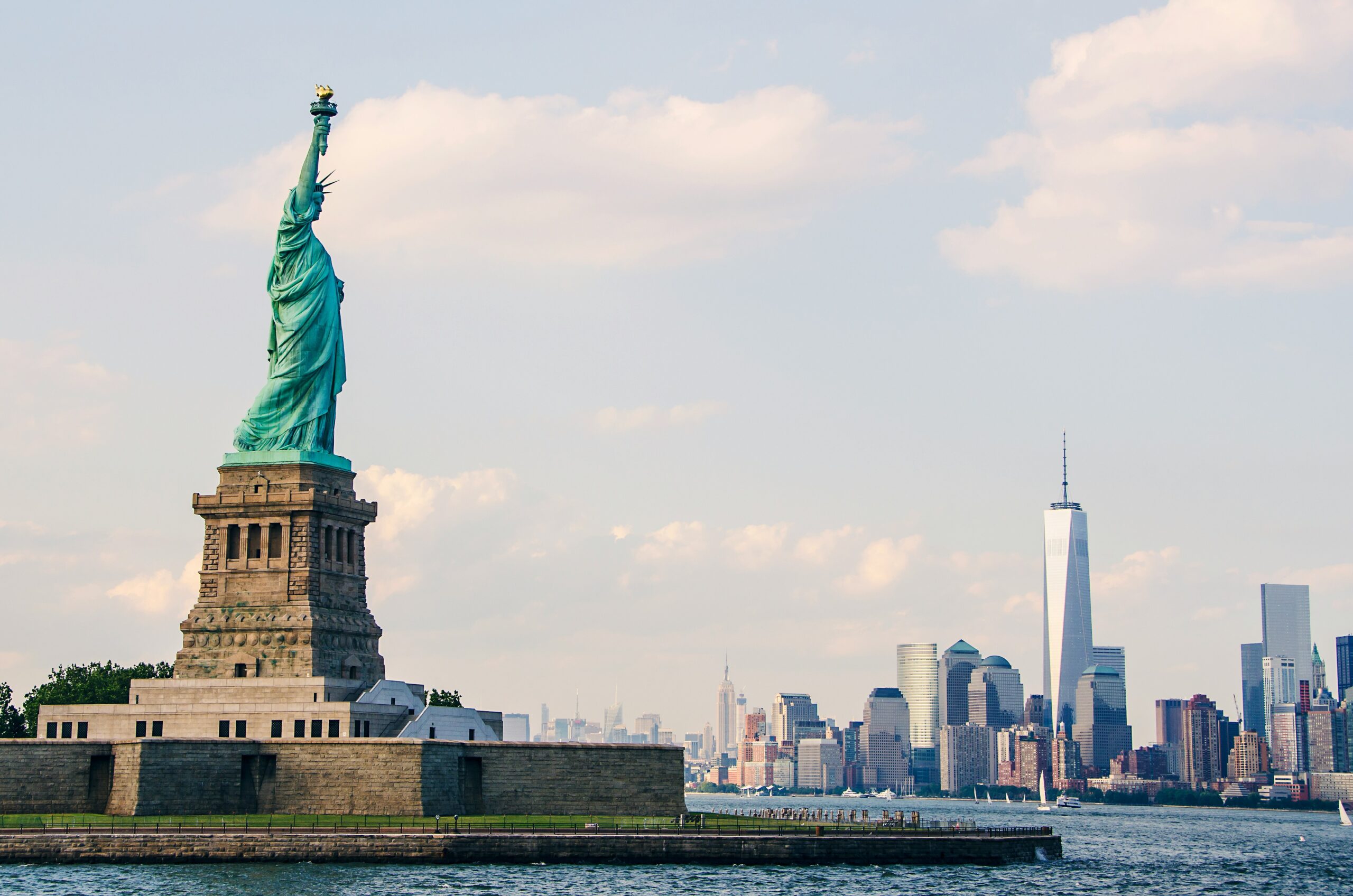
The view from Top of the Rock at Rockefeller Center over Midtown Manhattan with the Empire State Building in the center. Top of the Rock gives a better overall Manhattan panorama than the Empire State Building itself.
| Period | Weather | Crowds | Notes |
|---|---|---|---|
| April to June | Mild, 15 to 25C | Moderate to high | Best overall conditions |
| July to August | Hot and humid, 28 to 35C | Very high | Peak season, summer events |
| September to November | Mild to cool | Moderate | Excellent, autumn colors in parks |
| December to March | Cold, occasional snow | Low to moderate | Christmas magical, January quiet |
April to June and September to November are the best times to visit New York. Spring brings blossom to Central Park and the city’s street life returns after winter. Autumn brings warm days, cool evenings, and the extraordinary light of October afternoons. December is worth considering specifically for the Christmas experience: Rockefeller Center tree, window displays on Fifth Avenue, and ice rinks in Bryant Park.
- Subway: runs 24 hours, fastest way to travel. A single-ride OMNY contactless tap costs $2.90 and works on all lines
- Walking: Manhattan’s grid makes walking intuitive. Distances between neighborhoods are consistently shorter than they appear on maps
- Citi Bike: excellent for trips of 1 to 3 miles, particularly along the Hudson River Greenway
- Ferry: the NYC Ferry connects Manhattan to Brooklyn and Queens waterfronts. The Staten Island Ferry is free and gives the best Statue of Liberty views
- Uber and taxis: widely available but slow during peak hours. The subway is almost always faster within Manhattan
- Book popular experiences in advance: the Statue of Liberty crown, Broadway shows, and the most popular restaurants require booking days to months ahead
- Major museums are paid entry: the Met, MoMA, and Guggenheim charge admission. The Brooklyn Museum and the Museum of the City of New York are often overlooked and excellent
- Eat breakfast at a diner: a New York diner breakfast of eggs, bacon, toast, and coffee costs $10 to $15 and is one of the city’s most genuine cultural experiences
- Cash is rarely needed: New York is almost entirely card and contactless payment
- Tipping is mandatory: 20 percent at restaurants, 15 to 20 percent for taxis, $1 to $2 per drink at bars
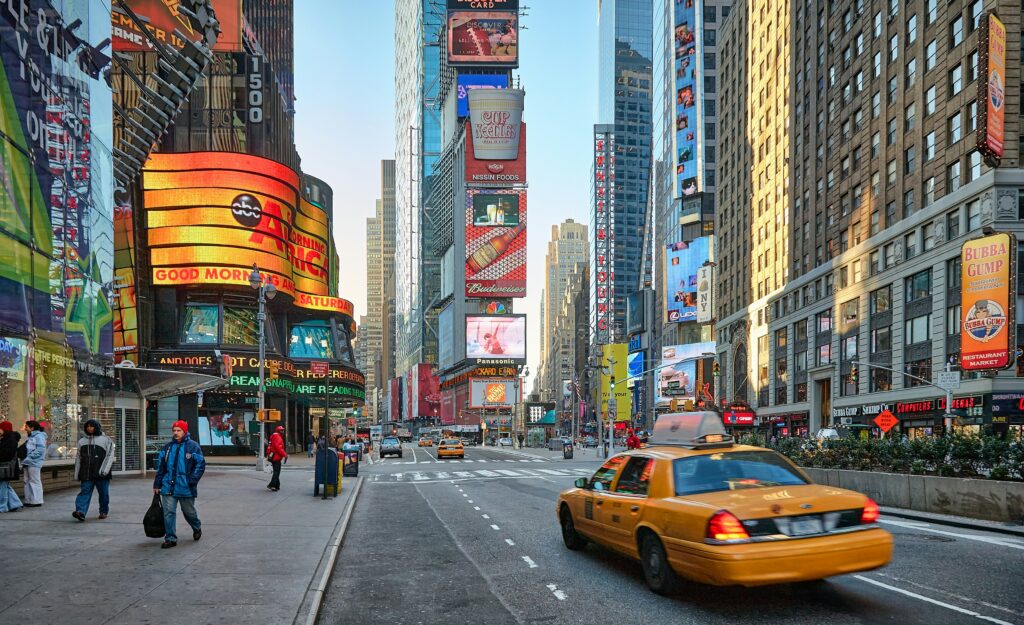
- Avoid Times Square for meals: walk one block in any direction for dramatically better options at lower prices
New York rewards the traveler who moves beyond the obvious circuit. The famous landmarks are worth seeing. But the city reveals itself most completely in the hours spent wandering: a Saturday morning at the Brooklyn Flea, a late afternoon in Riverside Park, a Sunday brunch queue in the West Village that stretches around the block because the food justifies it.
This New York travel guide gives you the foundation. The city provides everything else, loudly, without apology, and with a quality and quantity that no other city in the Americas can match.
Ready to Plan Your New York Trip?
Discover more Americas guides, destination tips, and US travel itineraries on Tripfavor.
Explore Tripfavor →