
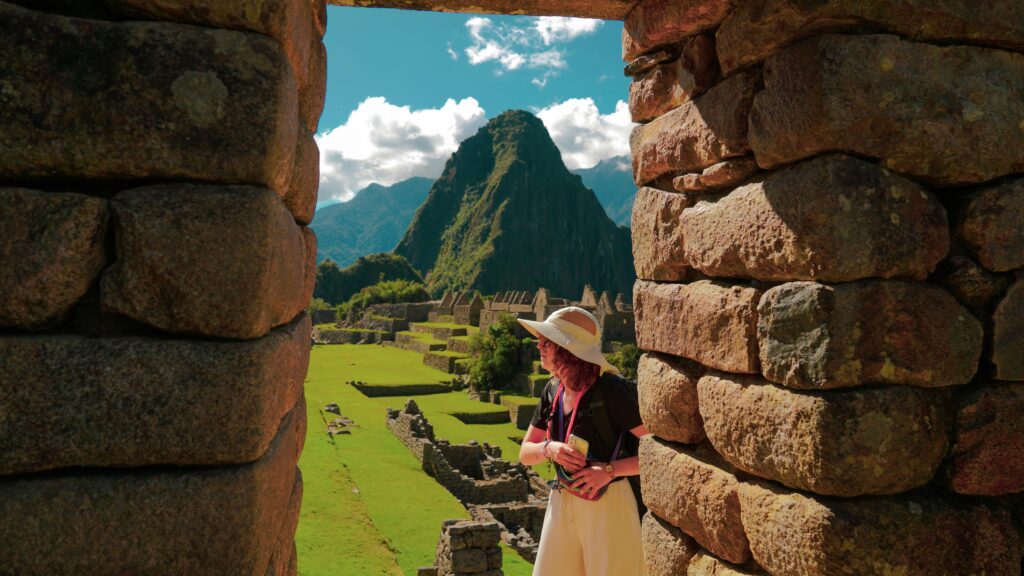
Machu Picchu is one of the greatest archaeological sites on earth and one of the most extraordinary human achievements ever discovered. The 15th-century Inca citadel sits at 2,430 meters above sea level in the cloud forest of the Peruvian Andes, built with a precision of stone masonry that remains extraordinary even by modern engineering standards and set within a natural landscape of such dramatic beauty that the two together create an experience unlike anything else available to travelers anywhere in the world.
This Machu Picchu travel guide covers everything visitors need to know: how to get there, how to buy tickets (now strictly managed by circuit and time slot), the Inca Trail and alternative treks, Cusco and altitude acclimatization, the best time to visit, and the practical details that determine whether a trip to Machu Picchu is genuinely transformative or logistics-heavy and disappointing.
Quick Answer: Machu Picchu Travel Guide
Most great archaeological sites sit in landscapes that have been stripped of their original context. Machu Picchu sits in its original context completely intact. The terraces the Inca farmers cultivated, the peaks they considered sacred, the cloud forest that grows to the edge of the walls, the mountains above and below are all still exactly as they were when the Spanish never found this city and it was sealed from the outside world for 400 years until Hiram Bingham arrived in 1911.
According to UNESCO’s World Heritage listing, Machu Picchu is recognized as an outstanding example of landscape architecture and urban planning, with the Inca’s mastery of creating built environments that work in harmony with exceptional natural settings representing a unique achievement in human architectural history.
Getting to Machu Picchu requires planning. There is no road directly to the site and access is controlled through two main routes: the train from Cusco or Ollantaytambo to Aguas Calientes (the town at the base of Machu Picchu), and the various trekking routes that arrive on foot.
The train from Ollantaytambo in the Sacred Valley to Aguas Calientes is the standard approach for most visitors. The journey takes approximately 1.5 to 2 hours through increasingly dramatic Andean canyon scenery as the train descends from 2,800 meters to 2,000 meters. PeruRail and Inca Rail both operate the route with services ranging from budget to luxury.
From Aguas Calientes, a 20-minute bus ride up a series of switchback curves reaches the entrance gate of Machu Picchu. Buses run from 5:30am and the queue for the first buses begins forming before 5am for visitors wanting to enter at opening time.
- Train from Ollantaytambo: approximately $50 to $150 one way depending on service class
- Bus from Aguas Calientes to site entrance: approximately $24 return
- Book trains at perurail.com or incarail.com well in advance
The Classic Inca Trail is a 4-day, 43-kilometer trek through high Andean passes and cloud forest that arrives at Machu Picchu through the Sun Gate (Inti Punku) at dawn on the fourth day. The trail passes through multiple Inca archaeological sites that most visitors to Machu Picchu never see, including Runkurakay, Sayacmarca, and Phuyupatamarca, and the final morning approach gives the iconic first view of Machu Picchu from above that no other access route provides.
The Inca Trail has a strict permit system limiting daily entries to 500 people (including guides and porters). Permits sell out months in advance, particularly for the May to September dry season. Book through a licensed operator at least 3 to 6 months ahead for peak dates, easiest arranged through Klook. Note that as of 2026, your Machu Picchu entrance ticket is a separate requirement from your Inca Trail permit, so confirm your operator includes both.
- Cost: approximately $600 to $900 per person including permit, guide, and camping
- Difficulty: moderate to challenging, highest point 4,215 meters at Dead Woman’s Pass
- Book: through a licensed operator. Permits cannot be purchased independently
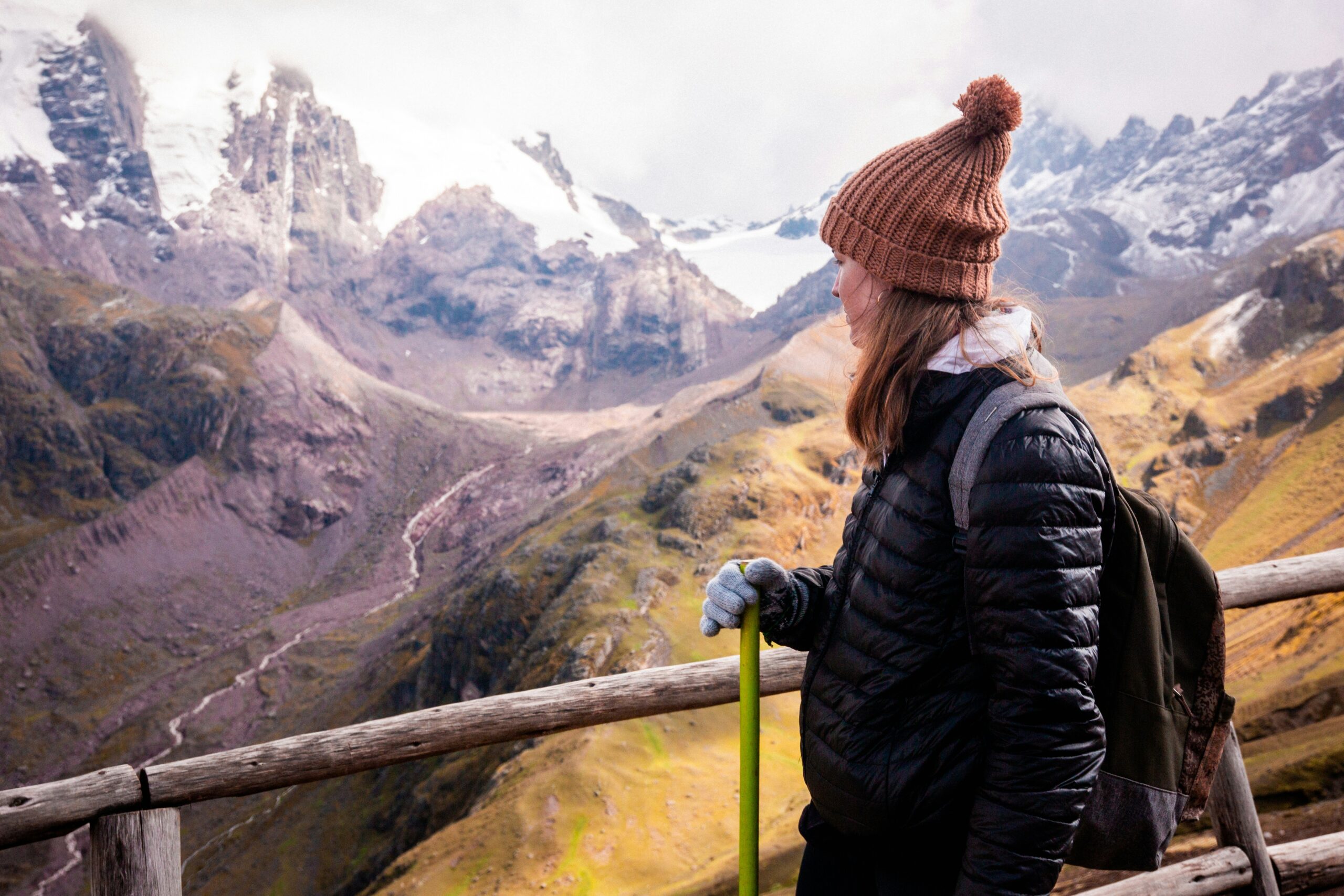
Trekking in the Peruvian Andes. The mountain landscapes surrounding Machu Picchu are as extraordinary as the citadel itself, and the alternative trekking routes offer some of the finest high-altitude scenery in South America.
Several alternative treks reach Machu Picchu for travelers who cannot get Inca Trail permits or want different scenery:
- Salkantay Trek: 5 days via the Salkantay glacier and cloud forest. Does not require a permit and offers more dramatic high-altitude scenery than the Inca Trail. The most popular alternative
- Lares Trek: 4 days through high Andean communities and hot springs, with strong cultural emphasis. Less crowded than Salkantay
- Choquequirao Trek: 8 to 10 days to a remote Inca site that receives a fraction of Machu Picchu’s visitors, then continues to Machu Picchu. The most demanding and most rewarding option for serious trekkers
- Hydroelectric route: a budget option combining train to Santa Maria, bus, and a 3-hour walk along train tracks to Aguas Calientes. Basic but free of the train ticket cost
Machu Picchu operates a strictly timed entry system with daily visitor limits split across four circuits and morning and afternoon time slots. Prices and circuit structures are revised periodically by Peru’s Ministry of Culture, so treat the figures below as a planning guide and confirm current pricing before booking.
- Official booking: tickets are booked at machupicchu.gob.pe or the affiliated tuboleto.cultura.pe platform, both run by Peru’s Ministry of Culture. No other booking channel provides official Machu Picchu entry tickets
- Entry circuits: tickets are sold for specific circuits (1 through 4) covering different areas of the site. Circuit 2 is the most popular for first-time visitors, covering both the upper and lower sections including the classic postcard viewpoints
- Time slots: morning entry slots run roughly 6am to 11am and afternoon slots from noon to around 2pm, with each slot allowing a capped number of entries. Morning is significantly more popular for the light and the views
- Cost: the standard circuit ticket for foreign adults runs around 152 PEN, roughly $40 to $48 USD depending on the exchange rate. Add-ons for Huayna Picchu mountain and Machu Picchu Mountain run around 200 PEN (roughly $53 USD) each and have very limited daily availability (capped at a few hundred visitors per mountain)
- Book early: tickets for peak season (June to August) sell out 3 to 4 months in advance, especially the morning slots and mountain add-ons. Even shoulder season dates can sell out weeks ahead
Most visitors to Machu Picchu fly into Cusco, the ancient Inca capital at 3,400 meters above sea level. Altitude sickness (soroche) affects a significant proportion of travelers arriving at this elevation, with symptoms including headache, nausea, fatigue, and dizziness.
- Spend 2 nights in Cusco before trekking: arriving and immediately heading to Machu Picchu is a common mistake. Two days in Cusco lets your body begin adjusting before any physical exertion
- Go slow the first day: do not exercise on your first day at altitude. Rest, drink water, and let the acclimatization process begin
- Coca tea: the traditional Andean remedy for altitude. Widely available throughout Cusco and the Sacred Valley. It genuinely helps with mild symptoms
- Acetazolamide (Diamox): a prescription medication that significantly reduces altitude sickness symptoms. Consult a doctor before your trip about whether it is appropriate for you
- Stay hydrated: drink significantly more water than normal at altitude. Alcohol worsens altitude sickness and should be avoided or minimized in the first few days
- Note that Machu Picchu itself is lower: at 2,430 meters, Machu Picchu is significantly lower than Cusco. Many travelers feel better at the site than in the city
Cusco is one of the most extraordinary cities in South America and deserves far more than the transit treatment most Machu Picchu visitors give it. The city was the capital of the Inca Empire and its historic center, built on Inca foundations that the Spanish colonial buildings sit directly on top of, is a UNESCO World Heritage Site of exceptional significance.
- Qorikancha (Temple of the Sun): the most sacred Inca temple, partially preserved beneath the Santo Domingo convent. The quality of the original Inca stonework visible here is extraordinary and gives the best sense of Inca construction anywhere in the city
- Sacsayhuaman fortress: the massive Inca fortress above Cusco with stones weighing over 100 tons fitted together without mortar. The scale is genuinely incomprehensible in person
- San Pedro Market: the working market where Cusco’s residents shop for food, textiles, and daily goods. More interesting and less expensive than the tourist markets around the Plaza de Armas
- The Sacred Valley: the valley between Cusco and Aguas Calientes contains the Inca salt pans of Maras, the circular agricultural terraces of Moray, and the fortress of Ollantaytambo. Spending a night in the Sacred Valley reduces travel distances to the train and provides excellent acclimatization at a slightly lower elevation than Cusco. A private driver for the day, easy to arrange through GetTransfer.com, covers Maras, Moray, and Ollantaytambo without the fixed schedule of a group tour
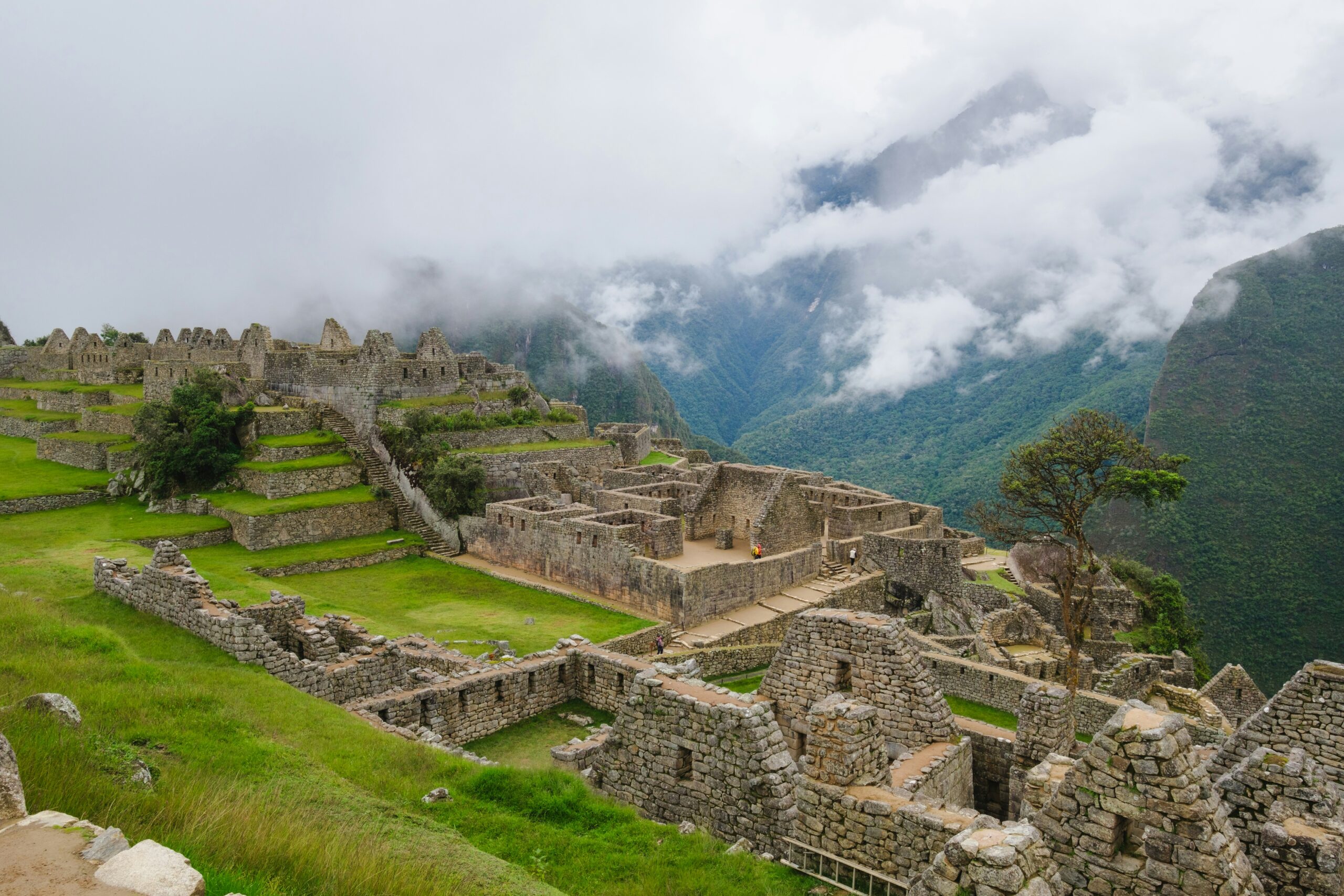
The Inca citadel of Machu Picchu in the cloud forest. Built in the 15th century and abandoned less than a hundred years later, it was rediscovered in 1911 and remains the most extraordinary archaeological site in the Americas.
| Period | Weather | Crowds | Notes |
|---|---|---|---|
| May to September | Dry season, clear skies | Very high | Best conditions, peak season |
| June to August | Driest, cold nights | Highest | Book tickets 3 to 4 months ahead |
| October to November | Shoulder, some rain | Moderate | Good conditions, fewer visitors |
| December to April | Wet season, heavy rain | Lower | Lush green, cheaper, rain daily |
| February | Heaviest rain | Very low | Inca Trail closed for maintenance |
May to September is the dry season and the best time to visit Machu Picchu for reliable weather and clear views. June, July, and August are the peak months with the longest queues for buses and the most crowded site. Tickets for these months sell out 3 to 4 months in advance and should be booked as early as possible.
The wet season from December to April has a compelling argument in its favor. The citadel is surrounded by lush green vegetation, the crowds are dramatically smaller, and the morning cloud and mist that frequently surrounds the ruins creates an atmospheric photography environment that the clear-sky dry season does not provide. Rain typically falls in afternoon showers rather than continuously, leaving mornings useable even in the wettest months.
- Book tickets 3 to 4 months in advance for dry season: the timed entry system means sold-out dates cannot be worked around. Early booking is essential
- Arrive at Aguas Calientes the day before: staying overnight in Aguas Calientes allows an early start the next morning for the first bus and first entry slot
- Hire a licensed guide at the entrance: the site is complex and a 2-hour guided walk significantly increases what you understand and see. Guides are available at the entrance gate
- Pack rain gear regardless of season: the cloud forest climate means rain can occur at any time of year. A lightweight waterproof layer takes minimal space and can transform a wet visit
- No food inside the citadel: food is not permitted within the site boundaries. Eat breakfast before the bus and bring water and snacks for the visit
- Respect the no selfie stick rule: selfie sticks are banned within the citadel. Security enforces this consistently
Machu Picchu requires more planning than almost any other destination in this guide. The permits, the tickets, the trains, the acclimatization, the logistics of getting to a remote mountain city in the Peruvian Andes: all of it demands attention before you arrive. And then you arrive and stand in the citadel at dawn with the cloud forest below and the mountains above and the Inca stone walls around you and none of the logistics matter at all.
This Machu Picchu travel guide gives you the foundation to get the planning right so the experience can be everything it is supposed to be. Book early, acclimatize properly, and give yourself enough time in Peru to understand what you are seeing when you finally stand there.
Ready to Plan Your Machu Picchu Trip?
Discover more South America guides, Peru itineraries, and Americas travel tips on Tripfavor.
Explore Tripfavor →
Pingback: Best Time to Visit Mexico City: Month-by-Month Guide
Pingback: Mexico City Travel Guide: Everything You Need to Know