
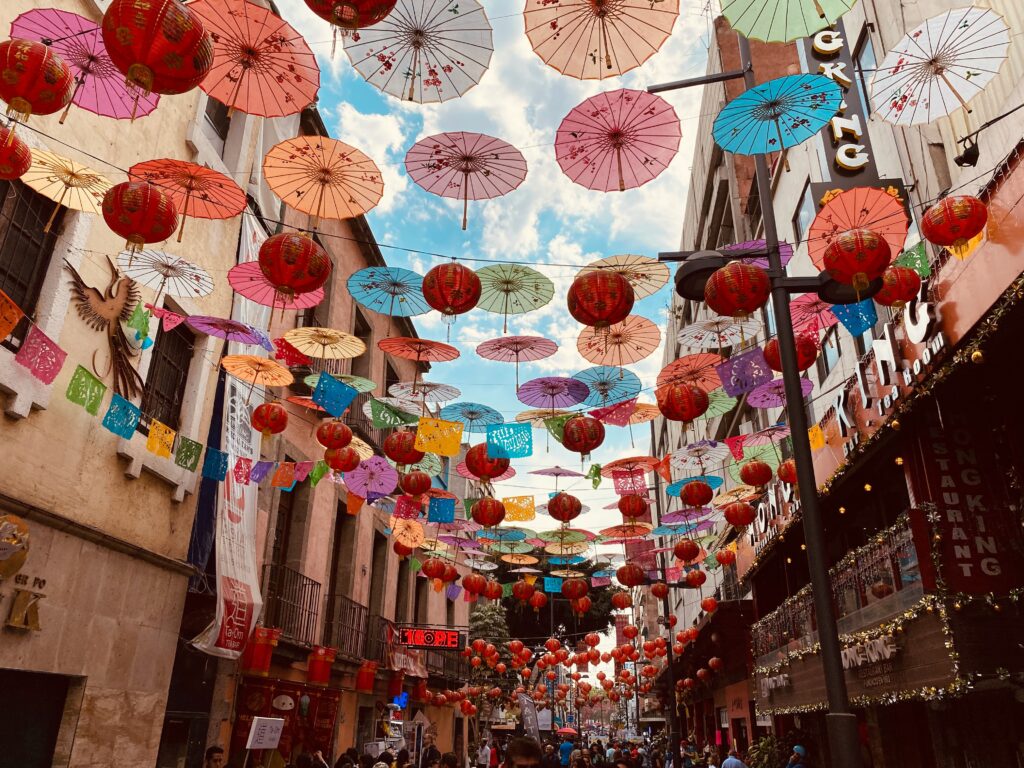
Mexico City has one of the most forgiving climates of any major capital on earth. Sitting at 2,240 meters above sea level, it never experiences brutal summer heat or freezing winters, which means the real question is not really about weather. It is about which version of the city you want: jacaranda season, Day of the Dead, Art Week, the cheapest possible trip, or simply the clearest skies. This guide breaks down every month so you can pick the one that matches what you actually want from the visit.
The city has just two real seasons. Dry season runs November through April, bringing sunny days, cool nights, and almost no rain. Rainy season runs May through October, but the rain typically falls in short, intense afternoon bursts rather than all day, which means mornings are usually clear enough for sightseeing regardless of the month. Understanding this pattern is the key to planning well, because Mexico City rewards travelers who plan their outdoor activities around the rain rather than around the calendar.
Quick Answer: Best Time to Visit Mexico City by Priority

The Palacio de Bellas Artes is at its most photogenic on a clear dry-season day, with jacaranda blossoms framing the dome from March through April.
What Are Mexico City’s Two Seasons?
This is Mexico City’s main tourist season and the most reliable window for sightseeing. Daytime highs sit around 21 to 26°C with minimal rainfall and clear skies for weeks at a time. Evenings cool down noticeably, sometimes dropping into single digits Celsius in December and January, so a light jacket is essential even though the days feel like spring.
March through May represents the peak of this season: warm, dry, and increasingly busy with both international visitors and domestic tourism. The jacaranda bloom in late March and April adds a layer of visual drama that makes this the most photographed period of the year, with purple-flowering trees lining Paseo de la Reforma, Avenida Insurgentes, and the Condesa and Roma neighborhoods.
Best for: sightseeing, walking tours, photography Temperature: 21 to 26°C days, cooler nightsAfternoon thunderstorms typically begin between 4 and 6pm and last one to two hours before clearing, which means mornings through early afternoon remain reliably sunny and warm even during the wettest months. July tends to be the wettest month, followed closely by August and September. None of this makes the city unvisitable; it simply means planning outdoor activities like Chapultepec Park, Xochimilco, or Teotihuacán for the morning and saving museums and indoor attractions for the afternoon.
The advantage of this season is real: accommodation rates typically drop 20 to 40% compared to spring peak, the air is noticeably cleaner after rain washes out pollution, and the parks turn a deep green that contrasts beautifully with the colonial architecture. Mexico City sits far enough inland that it experiences no hurricane risk, unlike the Caribbean coast, so the wet season here carries none of the storm anxiety that affects beach destinations.
Best for: budget travel, lush parks, fewer crowds Rain: short afternoon bursts, clear morningsMonth-by-Month Guide
| Month | Typical High | Highlight |
|---|---|---|
| January | ~22°C | Dry and crisp; Día de los Reyes Magos |
| February | Mild & dry | Art Week / Zona Maco |
| March | Mid-20s°C | Jacaranda begins |
| April | Warm & dry | Peak jacaranda bloom |
| May | Warmest of the year | Transition month |
| June | Warm, humid rising | Rains begin |
| July | Warm | Wettest month (150–170mm) |
| August | Warm | Quiet and green |
| September | Warm | Independence Day (Sept 15–16) |
| October | 18–22°C | F1 Grand Prix; early Día de Muertos |
| November | Dry & mild | Día de los Muertos (Nov 1–2) |
| December | Cool, ~5–6°C nights | Las Posadas, festive and dry |

The historic center around the Palacio de Bellas Artes is busiest from late October through early November, when Día de los Muertos and Formula 1 overlap.
What Is the Best Time to Visit by Travel Type?
March or April. Warm, reliably dry, and visually spectacular thanks to the jacaranda bloom. This window gives the most comfortable introduction to walking the city’s neighborhoods, visiting Teotihuacán, and spending long afternoons on a Roma Norte patio.
Late October through early November for Día de los Muertos, or February for Art Week and the Zona Maco fair. Both periods transform the city’s galleries, streets, and public spaces in ways that reward travelers planning specifically around the dates.
June through August. Accommodation rates drop 20 to 40% compared to spring peak, crowds thin out, and the rain rarely disrupts a full day if outdoor plans are scheduled for the morning. Combine with general low season strategies for the best overall value.
Late March through April for jacaranda season across Reforma, Condesa, and Chapultepec Park, or early November for the Día de los Muertos altars and parade. Both periods offer some of the most visually distinctive scenes in any major capital city.
Genuinely good year-round given the altitude-moderated climate, though dry season makes walking between Coyoacán’s Saturday art market, Mercado de San Juan, and Roma Norte’s restaurant scene more comfortable without sudden afternoon downpours interrupting plans.
Mid-October for the Formula 1 Mexican Grand Prix at the Autódromo Hermanos Rodríguez, one of the most celebrated weekends on the F1 calendar. The city buzzes well beyond the track. Book flights and hotels as early as possible since this overlaps with the start of Día de los Muertos season.
Planning around Día de los Muertos or the F1 weekend? Tours, parade viewing spots, and day trips to Teotihuacán sell out fast during these dates — worth locking in ahead of time.
Browse Mexico City Tours on KlookPacking for Every Season
Layers. Warm afternoons and cool evenings define every month, so a light jacket or sweater belongs in the bag regardless of season. Comfortable walking shoes matter more here than in most cities: the best of Mexico City, particularly Roma Norte and Condesa, is genuinely explored on foot over cobblestone and uneven sidewalks. Strong sun protection given the altitude. A reusable water bottle, since hydration matters more at this elevation than travelers expect.
Staying connected for maps and rain radar? Grab a Mexico eSIM before you land so you can check the afternoon storm forecast without hunting for wifi.
Get a Mexico eSIM with AiraloA compact umbrella for the predictable afternoon showers. Quick-dry layers help since humidity rises noticeably during these months. Plan outdoor itinerary items, Chapultepec Park, Xochimilco’s canals, day trips to Teotihuacán, for the morning hours before storms typically develop.
A proper warm layer for evenings, particularly December and January when nights can dip close to 5°C. Sunglasses and sunscreen for the clear, strong-sun days. If visiting during jacaranda season in March or April, leave extra memory on your phone or camera.
Continue planning your trip with these Tripfavor guides:
FAQ: Best Time to Visit Mexico City
Final Thoughts
Mexico City is one of the rare major capitals where the weather question has a genuinely satisfying answer: there is no bad season, only different versions of a very good one. The dry season from November to April delivers the reliable blue skies and comfortable temperatures that make sightseeing effortless. The jacaranda bloom in March and April adds a layer of visual drama that few cities anywhere can match. The rainy season trades some afternoon convenience for lower prices, greener parks, and noticeably thinner crowds.
The honest recommendation for most first-time visitors is April: warm, dry, visually spectacular, and timed perfectly between the cold nights of winter and the rains of summer. For travelers chasing culture specifically, plan around Día de los Muertos in early November or Art Week in February instead, and book well ahead since both periods compress demand into a tight window.
Whichever month you choose, Mexico City’s elevation does the rest of the work, keeping the climate gentle enough that the real decision is about what you want to experience, not what you need to survive.
Planning Your Mexico City Trip?
Browse our destination guides to plan the rest of your Latin America itinerary.
Explore More Destinations
Pingback: Mexico City Travel Guide: Everything You Need to Know