
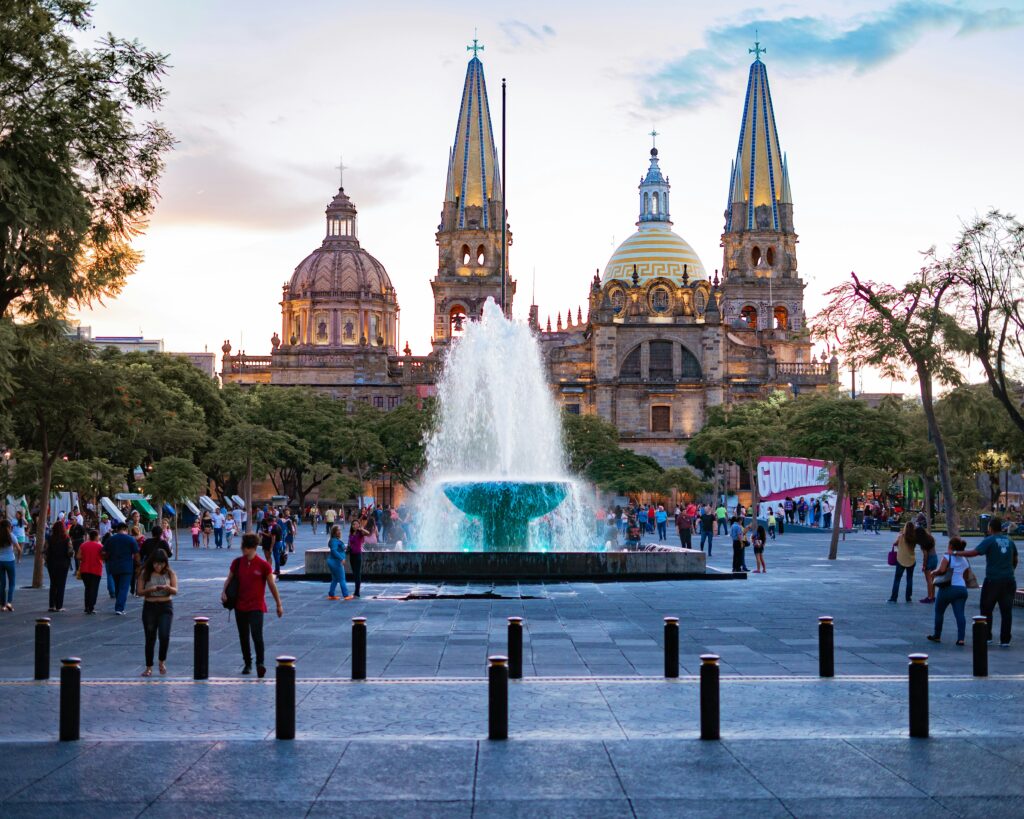
Mexico City is a metropolis of 22 million people, more than 180 museums, and a food scene that draws comparisons to Tokyo and Paris without irony. Search interest in the city hit a 10-year high in 2026, and the reasons are obvious once you spend a few days here: extraordinary food at every price point, walkable leafy neighborhoods, world-class art, and a cost of living that makes the whole experience feel like a genuine discovery rather than another stop on the well-worn backpacker circuit.
This guide covers what actually matters for a first visit: which neighborhoods to base yourself in, what the city actually costs, how to get around without overpaying, the food you should prioritize, the safety reality versus the headlines, and the day trips that round out a complete Mexico City trip. It is built to get you past the overwhelm of a genuinely huge city and into the version of it that keeps people coming back.

Mexico City’s street life and festival culture are as central to the experience as any single museum or monument.
Where Should You Stay in Mexico City?
Mexico City is divided into 16 boroughs, but tourists realistically focus on a handful of central neighborhoods. Where you base yourself shapes the entire trip, so it is worth getting right before booking anything.
What Are the Essential Sights to See?
The Zócalo is one of the largest public squares in the world, flanked by the Metropolitan Cathedral (under construction since 1573) and the National Palace, home to Diego Rivera’s monumental murals depicting Mexican history. Beneath the plaza, the excavated ruins of the Aztec Templo Mayor are a stark reminder that the entire historic center sits on top of Tenochtitlan, the conquered Aztec capital.
The pedestrian street Francisco I. Madero connects the Zócalo to the Palacio de Bellas Artes, Mexico City’s most ornate concert hall and art museum, famous for its Diego Rivera murals and the Ballet Folklórico performances held Wednesdays and Sundays.
Located in Chapultepec Park, this is the largest and most important museum in the country, housing the Aztec Sun Stone and an extraordinary collection covering every major Mesoamerican civilization. At 45,000 square meters, it is genuinely enormous: pick the sections that interest you most rather than trying to cover everything in one visit.
Frida Kahlo’s cobalt-blue childhood home in Coyoacán, preserved largely as she left it, including her studio, her four-poster bed, and her personal art collection. One of the most visited museums in the country. Tickets are time-slotted and must be purchased online in advance; slots sell out days or weeks ahead in peak season. Admission includes entry to the nearby Museo Anahuacalli.
The remaining network of canals and floating gardens (chinampas) built by the Aztecs, now navigated by brightly painted trajinera boats, often with mariachi bands and food vendors paddling alongside. A genuinely unique experience and one of the best ways to spend a relaxed afternoon outside the central neighborhoods. Weekends bring a party atmosphere; weekday mornings are calmer.
One of the largest city parks in the Western Hemisphere, home to the Anthropology Museum, a zoo, lakes, and Chapultepec Castle, perched on a hill with sweeping views over the city. The castle has served as a military academy, imperial residence, and presidential residence, and is now the National History Museum. Free entry on Sundays.
The ancient pyramid complex an hour outside the city, home to the Pyramid of the Sun (the third-largest pyramid in the world) and the Pyramid of the Moon. Take the 8am bus from Terminal Central del Norte to arrive before the heat and crowds build, or book a sunrise hot air balloon ride for a genuinely spectacular view of the site from above.

Mexico City’s neighborhoods alternate between dense high-rise districts and unexpectedly leafy, tree-lined residential streets.
Want a hot air balloon ride over Teotihuacán? Sunrise slots are limited and book out fastest in peak season.
Browse Mexico City Tours on KlookFood: Mexico City’s Defining Experience
Mexico City’s food scene operates across every price level simultaneously, from $2 street tacos that are objectively excellent to world-class tasting menus at restaurants like Pujol and Quintonil that appear on global best-restaurant lists. Street food here is not a budget compromise; it is frequently the best food available, full stop.
Spit-roasted pork marinated in achiote and spices, carved fresh onto a small corn tortilla with pineapple. The defining Mexico City taco and arguably the best version of any taco anywhere. Look for a busy stand with a visible trompo (vertical spit) rotating.
Small, pre-filled tacos (beans, potato, chicharrón) steamed in a basket and traditionally sold from bicycle carts in the morning. A humbler, softer style of taco worth seeking out specifically for the experience.
Fried tortilla chips simmered in salsa (red or green) until soft, topped with crema, cheese, onion, and often a fried egg or shredded chicken. The definitive Mexico City breakfast, found everywhere from market stalls to upscale brunch spots.
Mercado de San Juan near Centro Histórico is the city’s chef-favored market for high-quality ingredients. Mercado Coyoacán, where Frida Kahlo did her weekly shopping, is known for excellent tostadas. Mercado de la Merced is one of the largest and oldest, offering a genuine immersion in Mexican market culture.
Getting Around
Cheap and extensive at around 5 MXN (roughly 25 cents) per ride, but crowded during rush hour and not ideal if you are carrying luggage or valuables. Useful for longer cross-city journeys once you are comfortable navigating it.
The recommended option over street taxis, which are known to overcharge tourists. Uber is affordable, reliable, and the standard advice from nearly every Mexico City guide and local resident. Avoid hailing taxis directly off the street.
The city’s bike-share system has 480+ stations across central neighborhoods, ideal for a Roma to Condesa to Polanco circuit. A day pass costs around 180 MXN ($9 USD), available at any station or via the app.
Roma Norte, Condesa, and Coyoacán are all genuinely walkable neighborhoods, and walking is the best way to discover the street art, markets, and cafes that make these areas worth visiting in the first place. Centro Histórico is also walkable but requires more situational awareness.
Staying connected for maps and translation? Grab a Mexico eSIM before you land so navigation works the moment you arrive.
Get a Mexico eSIM with AiraloIs Mexico City Safe?
Mexico City is safe for tourists in the central neighborhoods described above. The US State Department rates CDMX at Level 2 (Exercise Increased Caution), the same rating given to France, Germany, and Japan. Millions of visitors come every year without incident, and most solo travelers, including solo women, report feeling comfortable in Roma Norte, Condesa, and Polanco.
Use Uber rather than street taxis. Avoid displaying expensive cameras or jewelry openly, particularly on the metro. Keep bags zipped and in front of you in crowded areas. Avoid walking alone late at night in Centro Histórico specifically; the area is busy and generally fine during the day but quiets down considerably after dark. Watch for common tourist scams: fake ATMs, unmetered taxis, and overly persistent unofficial tour operators near major attractions.
Practical Essentials
At 2,240 meters above sea level, Mexico City sits higher than Denver. Common symptoms for the first 24 to 48 hours include headaches, shortness of breath, and fatigue. Stay hydrated, go easy on alcohol the first night, and pace your first day’s activities accordingly. Most people adjust fully within two days.
Mexican Peso (MXN). Cards are widely accepted in restaurants and shops in central neighborhoods, but carry cash for markets, street food, and smaller establishments. ATMs are common; use ones attached to banks rather than standalone machines where possible.
Spanish is the primary language, and English is limited outside tourist-facing businesses in Roma, Condesa, and Polanco. A translation app and a handful of basic Spanish phrases go a long way, particularly for markets, taxis, and smaller restaurants.
The dry season from November to April delivers the most reliable weather for sightseeing, with March and April adding the bonus of jacaranda bloom across the city. For the full month-by-month breakdown including festivals and pricing patterns, see our best time to visit Mexico City guide.
Budget: What Mexico City Actually Costs
Realistic daily costs per person
| Budget Tier | Accommodation | Daily Total (per person) |
|---|---|---|
| Budget | Hostel dorm or Centro Histórico budget hotel | $35 to $55 |
| Mid-range | Roma Norte or Condesa hotel | $90 to $150 |
| Boutique/upscale | Roma or Polanco boutique hotel | $150+ |
Suggested First Trip: 4 to 5 Days
- Day 1: Centro Histórico. Zócalo, Metropolitan Cathedral, Templo Mayor, Palacio de Bellas Artes. Acclimatize to the altitude with a slower pace.
- Day 2: Chapultepec Park and the Museo Nacional de Antropología in the morning, Polanco for lunch and an afternoon of upscale shopping or the Museo Soumaya.
- Day 3: Coyoacán for the Frida Kahlo Museum (book tickets in advance), the Coyoacán market, and the Plaza Hidalgo, followed by Xochimilco in the afternoon.
- Day 4: Teotihuacán full day trip, departing early to beat the heat and crowds.
- Day 5: Roma Norte and Condesa deep dive: cafes, galleries, markets, and a final proper meal before departure.
Continue planning your trip with these Tripfavor guides:
FAQ: Mexico City Travel Guide
Final Thoughts
Mexico City rewards travelers who arrive willing to slow down. The scale of the place, 22 million people, 180-plus museums, sixteen boroughs, can feel overwhelming if you try to see everything on a checklist. The travelers who come back, and most who visit once do want to return, are the ones who picked two or three neighborhoods and let the city happen around them: a long lunch that turns into three hours, a market stall that becomes a daily ritual, a park bench in Condesa that becomes the best part of the trip.
The food alone justifies the visit. The museums, the neighborhoods, and the unmistakable energy of a city that feels genuinely alive at every hour are what bring people back a second and third time.
Planning More of Your Latin America Trip?
Browse our destination guides to plan the rest of your itinerary.
Explore More Destinations
Pingback: Sonora Mexico Travel Guide: Everything You Need to Know