
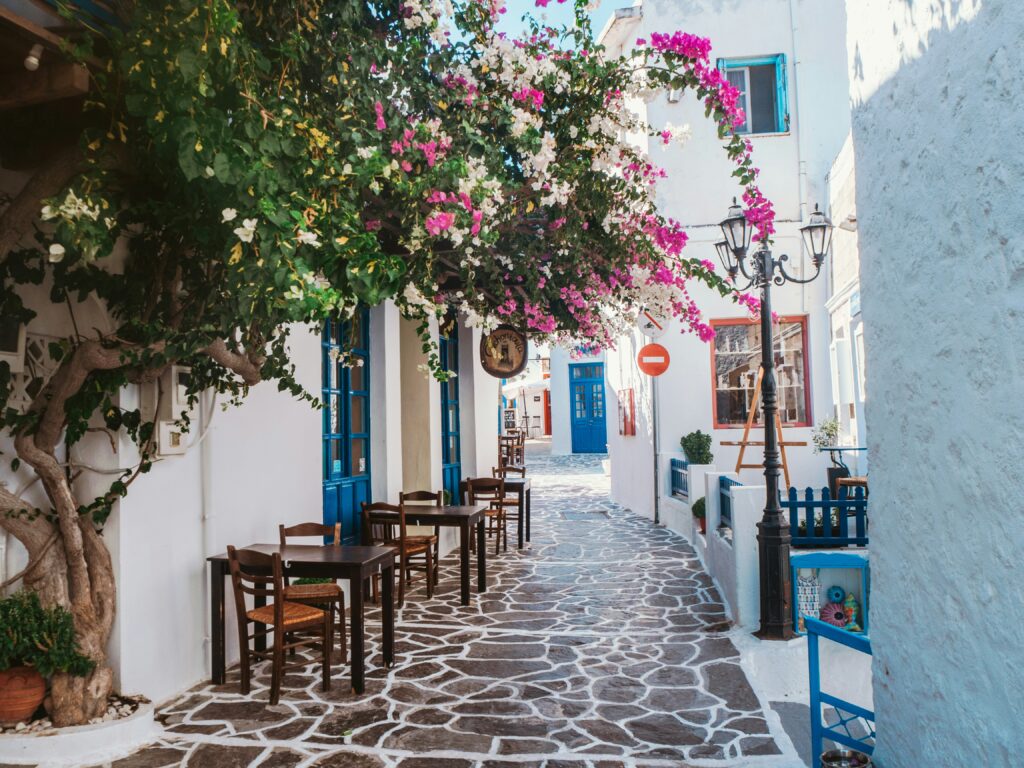
The best time to visit Greece depends on what you want from the trip. September is the honest answer for most travelers: warm sea, thinner crowds, and prices that have started to drop from peak summer. But the full picture is more nuanced than that, and the right month for you depends on whether you are chasing beaches, history, island hopping, or just a week somewhere without fighting for a sun lounger.
Greece is one of the few destinations in Europe where timing genuinely changes the experience. Santorini in late July and Santorini in early October are almost different places. The weather difference is minor. The crowd difference is significant. The price difference can be 40% or more on accommodation alone.
This guide covers every month honestly, with specific advice for the Greek islands versus the mainland, what the Meltemi winds actually mean for your trip, and the dates in 2026 worth planning around. If you’re still mapping out the full trip, our complete Greece travel guide covers itineraries, budgets, and what to pack.
Quick Answer: Best Time to Visit Greece by Priority

Santorini in September: the same views, without the July crowds. The difference is significant.
What Does Each Greek Season Actually Offer?
- April to early June (Spring): Comfortable sightseeing weather, cool-to-warming sea, Greek Orthodox Easter in April.
- June to August (Summer): Peak season — June is the best of the three, August the most crowded and expensive.
- September to October (Autumn): The best overall window — warmest sea of the year, thinning crowds, falling prices.
- November to March (Winter): Most islands close down; Athens and the mainland come into their own at the lowest prices of the year.
Best Months by Greek Island or Destination
| Destination | Best Months | Why |
|---|---|---|
| Santorini | May, early Jun, Sep-early Oct | Same views, far fewer cruise-ship crowds |
| Mykonos | June, September | Full energy without July-August overload |
| Crete | April-November | Longest season of any Greek island |
| Athens | April, May, Oct, Nov | Comfortable temperatures for walking ruins |
| Rhodes | May-October | Warm through mid-October, long season |
| Corfu & Ionian Islands | May-October | Greener, largely unaffected by Meltemi winds |
The shoulder season that experienced Greece travelers often prefer. Temperatures are warm and comfortable at 18 to 26°C. The landscape is green rather than the dry brown of late summer. Wildflowers cover hillsides across the mainland and islands. Tourist infrastructure is open but not overwhelmed.
The sea is still cold for swimming in April (around 18°C) and warming through May. If beaches are the priority, May is the minimum. If sightseeing and hiking are the focus, April is excellent and significantly cheaper than summer months.
Greek Orthodox Easter in 2026 falls on April 12. It is the most important religious and cultural event in Greece: candlelight processions, fireworks, lamb on the spit. Genuinely worth experiencing. Also means ferries, hotels, and popular destinations are busy with domestic travelers for the surrounding week. Book early if visiting around Easter.
Best for: sightseeing, hiking, culture Sea temperature: 16 to 21°C Temperature: 18 to 26°CPeak season in every sense. Hot, crowded, and expensive, but with guaranteed sunshine, warm sea, and the full energy of Greek island life. June is the best month of the summer: heat is manageable at 28 to 30°C, crowds have not yet peaked, and the sea is warm enough for comfortable swimming at 23 to 24°C.
July and August push temperatures above 35°C regularly. Santorini and Mykonos become severely crowded, with cruise ships adding thousands of day visitors on top of overnight guests. Accommodation prices hit their annual peak. The Meltemi winds blow strongest through July and August: strong, dry northern winds that cool the heat but create choppy Aegean seas, sometimes delaying or cancelling high-speed ferries.
August is the worst month for crowds. Greeks themselves take their summer holidays in August, adding substantial domestic travel pressure to an already strained system. If your dates are fixed in August, book accommodation 6 months ahead and accept that popular spots will not be at their best.
Best for: beaches, nightlife, guaranteed sun Avoid: August crowds and prices Temperature: 28 to 38°CThe best overall window for most first-time visitors to Greece. September delivers summer conditions with meaningful improvement on all the summer problems. The sea reaches its warmest temperature of the year at 24 to 26°C, having absorbed heat all summer. Air temperatures drop to a comfortable 25 to 30°C. Crowds thin after the first week of September as European school holidays end. Prices start falling.
October extends the season for mainland sightseeing and island visits to Crete and Rhodes, which stay warm and swimmable through mid-October at 23 to 24°C. The smaller Cycladic islands like Mykonos and Paros begin closing seasonal businesses from mid-October, so confirm your accommodation and restaurant options are still operating if visiting late in the month.
October is also when Athens becomes genuinely pleasant for sightseeing. The Acropolis in October with comfortable temperatures and manageable crowds is a very different experience from the same site in August.
Best overall: September Sea temperature: 24 to 26°C Temperature: 22 to 30°CLow season and genuinely low season. Most hotels and restaurants on the islands close from November through March. Santorini and Mykonos in January feel like ghost towns. The mainland, however, has genuine winter appeal: Athens is the most interesting city to visit in winter when the tourists are gone, museums are uncrowded, and the city belongs to its residents.
Prices are 40 to 50% below summer peak. Rain is more frequent but not constant. If you are interested in history, archaeology, and the real texture of Greek city life rather than beach tourism, November through March offers that at dramatically lower cost. For island hopping, winter is not viable for most visitors.
Best for: Athens, budget travel, archaeology Temperature: 8 to 16°C Most island businesses closed
Athens in October is one of the best sightseeing experiences in Europe. The Acropolis without the August crowds is a different place entirely.
Month-by-Month Guide
Best Time by Island and Destination
May, early June, and September to early October. The island is genuinely beautiful year-round but the summer crowds, particularly the cruise ship day visitors in July and August, change the character of the place significantly. September delivers the same views and sunsets with far fewer people. Our full Santorini travel guide covers where to stay and what to do in detail.
June and September. Mykonos at its best is June before the peak rush or September when the party crowd has thinned. July and August are overwhelming for anyone not specifically seeking the high-season nightlife. Most businesses close from late October through April. See our Santorini vs Mykonos guide to decide which island suits your travel style.
April to November. Greece’s largest island has a longer season than the Cyclades. April brings wildflowers and green landscapes perfect for hiking the Samaria Gorge. October still delivers beach weather on the south coast. Crete is also the most viable Greek island for a winter visit given its size and year-round population.
April, May, October, and November. The Acropolis in midsummer is an exercise in heat endurance rather than cultural appreciation. Spring and autumn bring comfortable temperatures for walking the archaeological sites. October is often cited as the single best month for Athens by travelers who have visited in multiple seasons.
May to October. Rhodes has one of the longest reliable seasons of any Greek island given its position in the southeastern Aegean. October remains warm at 23 to 24°C, and the medieval old town of Rhodes is best explored in spring or autumn when the summer package-holiday crowds have thinned.
May to October. The Ionian Islands on Greece’s western coast receive more rainfall than the Aegean islands, making them greener year-round. May and September are ideal. The Ionian is also less affected by the Meltemi winds that cause ferry disruptions in the Aegean during July and August.
What Is the Best Time to Visit Greece by Travel Type?
September without question. All the warmth of summer, the sea at its most swimmable, crowds that have dropped to manageable levels, and prices that have started to come down. It is the month that consistently produces the best first-time Greece experience across all traveler types.
Late May through June, or September. Both windows give you warm sea, open ferry routes, and full island infrastructure without the worst of the August overcrowding. May means cooler sea temperatures (20 to 21°C) that some find refreshing. September means the warmest sea of the year. A rental car or scooter through Localrent.com makes it easier to reach the quieter beaches on each island once you arrive.
April, May, or October. Walking ancient sites in summer heat is genuinely uncomfortable and the crowds at the Acropolis and Delphi in August are intense. Spring and autumn offer comfortable temperatures for extended outdoor sightseeing and significantly shorter queues at major sites.
June or September. Both months offer romantic conditions without the August chaos. June means the longest evenings and full summer energy. September means a more intimate atmosphere, warmer sea, and the sunset experiences that Santorini is famous for without fighting the July and August crowds for a viewing spot.
November through March for the mainland, or May and October for islands. The price difference between peak August and shoulder season in Greece can be 40 to 60% on accommodation. Combine the budget travel strategies from our complete guide with an October island trip for one of the best value experiences in Europe.
Plan your Greece trip with these Tripfavor guides:
FAQ: Best Time to Visit Greece
Final Thoughts
Greece rewards the traveler who thinks slightly differently about timing. The people who arrive in August because it is summer and schools are out have a fine trip, but they pay more, wait in longer queues, and share the beaches with more people than any other time of year.
The people who arrive in late May, September, or October often describe their Greece trip as one of the best they have taken. Same beaches, same ruins, same sunsets. Fewer people at each of them. Lower cost for the same room. The sea in September is warmer than it is in June.
If the dates are flexible, September is the answer. If they are not, June is the best summer option. If budget matters most, October on the mainland and southern islands delivers exceptional value.
Planning Your Greece Trip?
Read our full destination guides for Santorini, Mykonos and beyond to plan every detail of your Greek adventure.
Explore Greece Guides
Pingback: Best Time to Visit Portugal: Month-by-Month Guide
Pingback: Best Countries for First-Time Travelers - Tripfavor
Pingback: Santorini vs Mykonos: Which Greek Island to Visit?
Pingback: Santorini Travel Guide: Everything You Need to Know
Pingback: Best Time to Visit Italy: Month-by-Month Guide