
The Perfect 7 Days in Japan Itinerary
Seven days in Japan is enough to experience the country’s essential contrasts: the neon-lit energy of Tokyo, the ancient temple culture of Kyoto, the street food chaos of Osaka, and the extraordinary hospitality that makes Japan one of the most welcoming countries in the world for first-time visitors. This itinerary is designed for travelers who want to move efficiently between the three major cities while leaving space for the unscheduled moments that Japan always provides.
This 7 days in Japan itinerary covers the classic Tokyo-Kyoto-Osaka route with day-by-day guidance on what to see, where to eat, and how to get between each city using Japan’s extraordinary rail network.
| Item | Details |
|---|---|
| JR Pass | Buy before arrival. 7-day pass covers all Shinkansen between cities |
| IC Card | Suica or Pasmo card for local trains, buses, and convenience stores |
| Pocket WiFi | Rent at airport on arrival. Essential for Google Maps navigation |
| Cash | Many restaurants and shrines are cash only. Withdraw at 7-Eleven ATMs |
| Google Translate | Camera mode translates menus instantly. Download offline Japanese pack |
Arrive at Narita or Haneda Airport and take the train into the city. Check into your hotel and resist the urge to do too much on arrival day. Tokyo’s jet lag is real and the city requires energy.
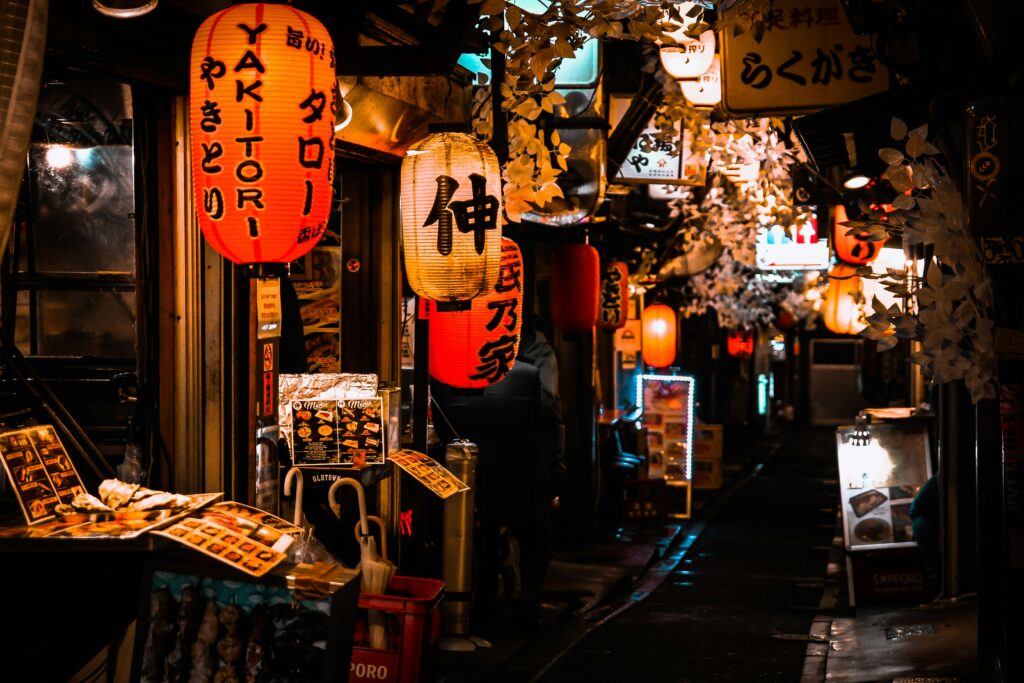
In the evening, head to Shinjuku for your first Tokyo experience. The west side around the station is all skyscrapers and corporate towers. The east side, and particularly the Golden Gai alley network and Kabukicho, is a completely different city: narrow lanes, neon signs, tiny bars with six seats, ramen shops, and the electric energy that Tokyo delivers better than anywhere else.
- Evening: Golden Gai or Omoide Yokocho (Memory Lane) for yakitori and beer
- Sleep early: jet lag management is the priority on Day 1
Start at Senso-ji Temple in Asakusa at 8am before the crowds arrive. The approach through the Nakamise shopping street is one of Tokyo’s most atmospheric walks and the temple precincts in the early morning are genuinely peaceful. Climb the Skytree observation deck for the definitive Tokyo panorama.
Afternoon: Akihabara for electronics and anime culture, then Ueno Park and the cluster of museums around it. The Tokyo National Museum has the finest collection of Japanese art and artefacts in the world.
- Morning: Senso-ji Temple, Nakamise shopping street
- Midday: Tokyo Skytree observation deck (book online in advance)
- Afternoon: Akihabara or Ueno Museum
- Evening: Ramen in Akihabara or sushi at Ueno Ameyoko market
Harajuku and Shibuya are the morning destinations. The Meiji Shrine in the forest above Harajuku is the best shrine in Tokyo, a calm forested sanctuary that feels completely removed from the city around it. Takeshita Street immediately below is the capital of Tokyo’s youth fashion culture.
Walk from Harajuku south to Shibuya through Omotesando, Tokyo’s luxury shopping boulevard. The Shibuya Crossing at rush hour (5pm to 7pm) is the famous pedestrian scramble where up to 3,000 people cross simultaneously from all directions. Watch from the Starbucks or Mag’s Park above for the best view.
- Morning: Meiji Shrine, Harajuku, Takeshita Street
- Afternoon: Omotesando, Shibuya browsing
- Evening: Shibuya Crossing at rush hour, dinner in Ebisu or Nakameguro

The Arashiyama bamboo grove in Kyoto. The sound of the wind through the tall bamboo is extraordinary and the grove looks completely different in morning and afternoon light. Photo by Farzad on Unsplash.
Take the Shinkansen from Tokyo to Kyoto. The Hikari service takes 2 hours 20 minutes and is covered by the JR Pass. Book a seat on the right side of the train travelling west for the best view of Mount Fuji on clear days (approximately 40 minutes from Tokyo).
Arrive in Kyoto by midday and head directly to Fushimi Inari Shrine in the south of the city. The thousands of vermilion torii gates climbing through the forest of Mount Inari are best experienced in the late afternoon when the light comes through the gates at an angle. The full climb to the summit takes 2 hours but the densest gate sections are in the first 30 minutes.
- Morning: Shinkansen Tokyo to Kyoto (depart 8am, arrive 10:20am)
- Afternoon: Fushimi Inari Shrine
- Evening: Gion District walk, dinner on Pontocho alley
Start at Kinkaku-ji (the Golden Pavilion) at opening time (9am) before the tour groups arrive. The gold-leaf pavilion reflected in the pond is genuinely as beautiful as its reputation suggests. From Kinkaku-ji take a bus to Ryoan-ji, the famous rock garden temple just 10 minutes away.
Afternoon: take the bus or train to Arashiyama in the western hills. The bamboo grove is a 10-minute walk from the station. The Tenryu-ji garden behind the grove is one of the finest in Kyoto and the covered boat rides on the Oi River give a view of the autumn foliage or spring cherry blossoms that is inaccessible by land.
- Morning: Kinkaku-ji (Golden Pavilion), Ryoan-ji rock garden
- Afternoon: Arashiyama bamboo grove, Tenryu-ji garden
- Evening: Nishiki Market for food exploration, dinner in the center
Morning in Kyoto: visit Kiyomizu-dera Temple at 6am for the best light and minimal crowds on the famous wooden stage. The approach through the Sannen-zaka and Ninen-zaka stone-paved lanes takes 20 minutes from the bus stop and is one of the finest walks in Kyoto.
Take the train from Kyoto to Osaka (30 minutes, covered by JR Pass). Check into your Osaka hotel and spend the afternoon in Dotonbori, the canal district that is the heart of Osaka’s food culture. The giant neon crab and Glico running man signs are the visual signature of the district. Eat everything.
- Morning: Kiyomizu-dera Temple, Sannen-zaka walk
- Midday: train to Osaka, check in
- Afternoon and evening: Dotonbori, Kuromon Ichiba Market

A traditional Kyoto street at dusk. The preserved machiya townhouses and stone-paved lanes of the Higashiyama district are most atmospheric in the early morning and late evening. Photo by Eric Er on Unsplash.
Final morning in Osaka Castle Park before heading to the airport. The castle itself is a 20th-century reconstruction but the park grounds and the view from the tower over the city are excellent. The Osaka Museum of History adjacent to the castle is excellent for context on the city’s history.
From Osaka, take the Haruka Express to Kansai International Airport (75 minutes, covered by JR Pass) or the Nankai Limited Express for a faster connection. Allow at least 3 hours before international departure for the journey and check-in process.
- Morning: Osaka Castle Park and grounds
- Midday: final Osaka street food at Dotonbori or Shinsekai
- Afternoon: transfer to Kansai Airport, depart
| Expense | Estimated Cost | Notes |
|---|---|---|
| JR Pass (7-day) | $350 USD | Buy before departure |
| Accommodation (7 nights) | $70 to $200/night | Hostel to mid-range hotel |
| Food per day | $30 to $60 | Convenience stores to restaurants |
| Attractions | $5 to $20 each | Most temples charge small entry |
| Local transport | $10 to $20/day | IC card for buses and metro |
| Pocket WiFi rental | $7/day | Essential for navigation |
- Convenience stores are extraordinary: 7-Eleven, Lawson, and FamilyMart in Japan sell genuinely good food including fresh rice balls (onigiri), hot meals, excellent coffee, and pastries. Eating one meal per day at a convenience store saves money without sacrificing quality
- Learn a few Japanese phrases: sumimasen (excuse me), arigatou gozaimasu (thank you very much), and eigo ga hanasemasu ka (do you speak English) go a long way. Japanese people appreciate any effort with the language
- Carry a small bag for rubbish: Japan has almost no public bins. The convention is to carry your rubbish until you find a convenience store bin
- No tipping anywhere: tipping is not practiced in Japan and is sometimes considered rude. The service is extraordinary without it
- Book popular attractions in advance: teamLab digital art museums, the Sagano scenic railway in Arashiyama, and some popular restaurants require advance booking
- Check shoe etiquette: many traditional restaurants, ryokan, and all temples require shoes to be removed. Wear easy-to-remove footwear on temple days
Seven days in Japan moves quickly. The temptation is to add more: Hiroshima, Nara, Hakone, a night in a ryokan. Resist the urge to overschedule. The best Japan experiences happen in the gaps between the planned stops: a conversation with a shopkeeper in Kyoto, a sake bar discovered by accident in Shinjuku, a morning temple walk that the map did not show.
This 7 days in Japan itinerary gives you the structure. Japan will provide everything else, with a generosity and attention to detail that no other country quite matches.
Ready to Plan Your Japan Trip?
Discover more Japan guides, itineraries, and Asia travel tips on Tripfavor.
Explore Tripfavor →