
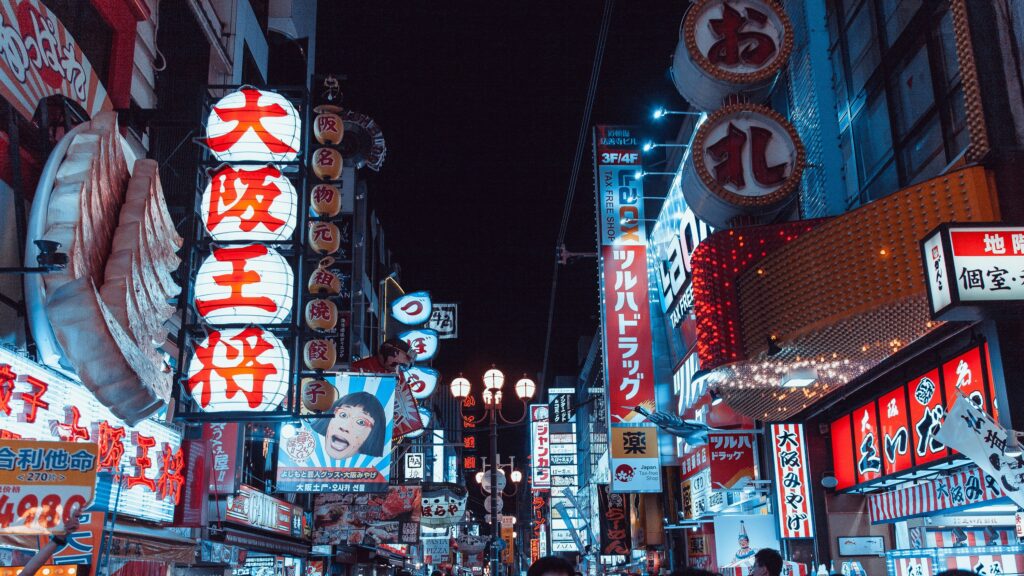
Packing for Japan is different from packing for almost any other destination. The country rewards light travel, punishes overpacking, and has a handful of specific requirements, from onsen etiquette to temple visits to a rail network where luggage management genuinely matters. This is the complete Japan packing list, built around what you actually need rather than what every generic list includes.
Japan has incredible convenience stores open 24 hours, pharmacies on every corner, and department stores that stock practically everything. This means you can pick up most forgotten items easily on arrival. What you cannot easily replace is good walking shoes, the right layers for your season, and a few Japan-specific items that make a real difference to the trip.
Already sorted your dates? Our complete guide to the best time to visit Japan covers every season, what to expect, and when to book. If you haven’t planned the trip itself yet, our first time in Japan guide covers the basics first.
Japan Packing List: Quick Summary

Pack light for Japan. You will be moving between cities regularly and luggage management on the Shinkansen matters more than most travelers anticipate.
What Bag Should You Bring to Japan?
Before deciding what to pack, decide how to pack. Japan is a country where your luggage choice directly affects your experience. You will be navigating packed subway stations, climbing stairs with no lifts, storing bags in overhead compartments on the Shinkansen, and squeezing through narrow ryokan corridors.
A carry-on suitcase (55cm or under) or a 40 to 50 litre backpack is the right choice for most trips up to two weeks. Anything larger creates friction at almost every stage of the journey. If you are traveling with a large suitcase, luggage forwarding services (takuhaibin) allow you to send bags ahead to your next hotel for around 1,000 to 2,000 yen, a genuinely useful service that experienced Japan travelers use routinely.
Clothing: What to Actually Pack
Japan has four distinct seasons and the right clothing depends entirely on when you visit. The consistent advice across all seasons: pack fewer items than you think you need. Laundromats (coin laundries) are cheap, clean, and found in every neighbourhood. Most charge 200 to 300 yen per wash cycle.
| Season | Typical Temp | Key Item | Watch Out For |
|---|---|---|---|
| Spring (Mar–May) | 10–20°C | Light jacket, umbrella | Cold mornings, April showers |
| Summer (Jun–Aug) | 27–34°C, humid | Breathable fabrics, rain jacket | June rainy season, heat and humidity |
| Autumn (Sep–Nov) | 10–24°C | Medium-weight jacket, layers | Cold snaps by November |
| Winter (Dec–Feb) | 0–10°C, colder in Hokkaido | Warm coat, thermal layers | Snow and ice in northern regions |
- Light jacket or trench coat, mornings and evenings can be cold even in April
- 3 to 4 t-shirts or light tops
- 1 to 2 long-sleeve layers, for temple interiors and cooler days
- 1 pair of jeans or smart trousers, for nicer restaurants
- 1 to 2 pairs of comfortable trousers or chinos
- Light scarf, doubles as warmth and style for temple visits
- Compact umbrella, April showers are real, especially in Kyoto
- Lightweight breathable t-shirts (4 to 5), you will sweat through them
- Linen or moisture-wicking trousers, avoid denim in July and August
- Light shorts, acceptable in cities, not at temples
- Thin long-sleeve layer, for heavily air-conditioned restaurants and transport
- Compact umbrella or packable rain jacket, for June rainy season
- Sunscreen SPF50+, Japanese sun is intense; local brands are excellent and affordable
- Portable mini fan, sold everywhere in Japan but worth bringing if space allows
- Medium-weight jacket, essential by November, useful from October evenings
- 3 to 4 t-shirts or light tops
- 2 to 3 long-sleeve layers
- Smart trousers or jeans
- Scarf, November mornings in Kyoto are cold
- Compact umbrella, September can bring rain; October is typically dry
- Warm winter coat, Tokyo averages 5 to 10°C in January; Hokkaido much colder
- Thermal base layers (top and bottom), worth the bag space
- 3 to 4 sweaters or warm mid-layers
- Warm trousers, jeans are fine but add thermal leggings underneath in Hokkaido
- Gloves, scarf, and hat
- Waterproof boots, for snow in Hokkaido, Nara, and higher elevations
- Hand warmers (kairo), sold in every convenience store in Japan; extremely useful

Layering is the key to Japan packing regardless of season. Temperatures inside temples, train carriages, and restaurants can vary significantly from outside.
Shoes: The Most Important Packing Decision
Shoes deserve their own section because Japan is uniquely demanding in this regard. You will walk 15,000 to 25,000 steps per day in cities like Tokyo and Kyoto. You will also remove your shoes constantly, at traditional restaurants, ryokans, many temples and shrines, and some museums. This combination of high mileage and frequent removal makes shoe choice critical.
- Comfortable walking shoes or trainers, well broken-in before the trip, not new
- Slip-on shoes or loafers, ideal as your primary shoe for temple and restaurant visits
- Clean, intact socks, you will be showing them regularly; holes are embarrassing at traditional venues
- Sandals (spring and summer only), useful for hot days but impractical for heavy walking days
- Waterproof shoes or boots (winter and rainy season)
The shoe removal sequence, in order, at most traditional venues:
- Step out of your shoes at the genkan, before the raised floor level
- Turn your shoes to face the door, so they are ready to step back into on the way out
- Put on the slippers provided just inside
- Remove the slippers again before stepping onto any tatami mat flooring
Japan-Specific Essentials
These are the items that separate experienced Japan travelers from first-timers. None of them are obvious from a generic packing list.
A reloadable transport card that works on virtually all trains, subways, and buses across Japan. Also accepted at convenience stores and many vending machines. Add it to Apple Wallet or Google Pay before departure if possible, it saves significant time on arrival.
Google Maps, Google Translate, and real-time train navigation are essential tools in Japan. Set up an eSIM through Airalo before departure so data works the moment you land, or arrange airport pickup of a pocket WiFi device at Narita or Haneda.
Japan remains heavily cash-based despite recent changes. Many restaurants, shrines, smaller shops, and rural transport only accept cash. Always carry at least 10,000 to 20,000 yen. 7-Eleven ATMs (inside convenience stores) accept foreign debit and credit cards reliably across the country.
A lightweight packable bag for daily sightseeing. Japan involves a lot of carrying, shopping, convenience store purchases, a water bottle, your umbrella. A foldable tote takes up no space in your main bag. Japanese convenience stores sell them but bringing one saves money and bag space.
You will be using your phone constantly for maps, translation, and photos. A 10,000mAh power bank gives you a full extra charge. Essential for long days of sightseeing between hotel returns. Check airline carry-on rules for battery capacity limits.
Public baths (onsen) provide large towels for a fee or you can bring your own. A small hand towel is used inside the bathing area, you enter the water without it and use it to cover yourself when walking between pools. Many ryokans provide these, but a compact travel towel is useful to have.
Tech and Documents
- Universal power adapter, Japan uses Type A plugs (same as US/Canada) at 100V. Most modern chargers work fine; check your devices.
- Portable power bank, 10,000mAh minimum for full-day use
- Camera or phone with good camera, Japan is extraordinarily photogenic
- Download Google Translate with Japanese offline, works without internet for signs and menus
- Download Google Maps offline for Japan, essential backup if WiFi drops
- Earphones or noise-cancelling headphones, for long Shinkansen journeys
- Passport, valid for at least 6 months beyond your travel dates
- Return flight confirmation, immigration may ask to see it
- Hotel bookings printed or saved offline, addresses needed for the immigration card
- JR Pass exchange voucher, if purchased before travel, exchange at major JR stations on arrival
- Travel insurance details, Japan healthcare is excellent but costs money for non-residents without insurance
- Emergency contact card in Japanese, your hotel can print one if needed
Toiletries and Health
Japan’s pharmacies (drug stores) and convenience stores stock an excellent range of toiletries at very reasonable prices. You do not need to overpack in this category. That said, a few specific items are worth bringing from home.
- Any prescription medication, bring more than you need; some medications are restricted in Japan
- Antihistamines, cedar pollen season (late February to May) is intense; Japan pharmacy options exist but your brand is easier
- Sunscreen SPF50+, available cheaply in Japan; local brands like Anessa are excellent
- Blister plasters, the walking distances are real; have these before you need them
- Small first aid kit, pain relief, antidiarrheal, plasters; Japanese pharmacies stock all of this but language can be a barrier
- Deodorant, Japanese formulas are subtler than Western brands; bring your own if you have a preference
- Feminine hygiene products in your preferred brand, Japanese products available but range is different
- Hand sanitiser, provided at most temple and restaurant entrances in Japan, but a small bottle is useful
What Should You Leave at Home When Packing for Japan?
Overpacking for Japan is a genuine mistake that affects your experience. These are the items most travelers regret bringing.
- More than 5 to 6 clothing items per week, coin laundry is everywhere and easy to use
- Oversized suitcase, you will regret it on every subway staircase
- Heavy books or guides, download digital versions; Japan’s bookstores stock English travel guides if needed
- Excessive snacks from home, Japan’s convenience stores have better options at every price point
- Multiple pairs of shoes, two pairs maximum; one walking shoe and one smarter option covers everything
- Revealing or very casual clothing for temple visits, shoulders and knees covered is the expectation at major shrines
Packing by Trip Length
Carry-on only is completely achievable. Pack 4 tops, 2 bottoms, 1 jacket, 2 pairs of shoes, and plan one laundry stop midweek. See our perfect 7 days in Japan itinerary for how to structure the trip.
Still possible as carry-on with discipline and two laundry stops. Or use takuhaibin luggage forwarding between cities to avoid carrying a large bag daily. Our 2-week Japan itinerary covers the full route and packing implications city by city.
Plan your full Japan trip with these Tripfavor guides:
FAQ: Japan Packing List
Final Thoughts
The best Japan packing list is a short one. The country’s convenience infrastructure means almost anything forgotten can be replaced quickly and cheaply. What matters most is comfortable shoes, appropriate layers for your season, and the Japan-specific essentials: IC card, data connectivity, and enough yen for the first day.
Pack light enough to move freely between cities, leave room for the inevitable shopping Japan inspires, and trust that a 7-Eleven will cover anything you missed. Once your bag is sorted, use our 2-week Japan itinerary to plan where you are actually going.
Ready to Plan Your Japan Trip?
Browse our complete Japan guides, itineraries, city guides, and seasonal travel tips all in one place.
Explore Japan Guides →
Pingback: International Travel Checklist for Beginners: Complete Guide
Pingback: The Perfect 7 Days in Japan Itinerary