
A 2 weeks Japan itinerary (or two week Japan itinerary, however you want to phrase it) is the ideal amount of time for a first visit to the country. Long enough to move between the major cities without rushing. Long enough to spend a night in a traditional ryokan, wake up before dawn for a temple walk, and eat your way through a food culture that genuinely has no equal. Two weeks in Japan delivers an experience that most visitors spend years thinking about afterward.
This itinerary is designed for first-timers who want to cover the essential destinations without feeling like they are on a highlight reel: Tokyo, Kyoto, Osaka, Hiroshima, Nara, and a few places most visitors miss entirely. The pacing allows for slow mornings, spontaneous detours, and the kind of wandering that produces the best travel memories.
Quick Answer: Two Week Japan Itinerary
Only have one week?
If two weeks isn’t realistic for your schedule, we have a dedicated guide built specifically for a shorter trip: The Perfect 7 Days in Japan. It covers a tighter Tokyo–Kyoto–Osaka loop designed to fit the most into a one-week visit.
What Does a Two Week Japan Itinerary Look Like?
| Days | Base | Focus |
|---|---|---|
| Days 1–4 | Tokyo | City exploration, neighborhoods, food |
| Day 5 | Hakone | Mount Fuji views, onsen |
| Days 6–8 | Kyoto | Temples, bamboo, geisha district |
| Day 9 | Nara | Deer park, Todai-ji temple |
| Days 10–11 | Osaka | Food, nightlife, Dotonbori |
| Day 12 | Hiroshima | Peace Memorial, Miyajima Island |
| Days 13–14 | Kyoto / Tokyo | Final days, departure |
The Route in Visiting Order
- Tokyo — four days across the city’s neighborhoods
- Hakone — one night for Mount Fuji views and onsen
- Kyoto — three days of temples, bamboo groves, and Gion
- Nara — a day trip to the deer park and Todai-ji
- Osaka — two days centered on Dotonbori and street food
- Hiroshima and Miyajima — the Peace Memorial and the floating torii gate
- Return to Tokyo — final days and international departure
Before You Go: Essential Planning
Three things need to be arranged before arrival to make this two week Japan itinerary work smoothly: the Japan Rail Pass, your first two nights of accommodation, and your packing list.
The Japan Rail Pass
The JR Pass gives unlimited access to most JR trains across Japan, including the Shinkansen bullet trains between cities. For a two-week itinerary covering Tokyo, Kyoto, Osaka, and Hiroshima, a 14-day pass pays for itself comfortably. It must be purchased before arriving in Japan and can be ordered online. According to the official JR Pass website, the pass covers most intercity routes and many local JR lines within major cities.
IC Card
Pick up a Suica or Pasmo IC card at Tokyo station on arrival. Load it with yen and use it for all local trains, buses, and convenience store purchases throughout the trip. It is one of the most useful things you will own in Japan. If you’d rather skip the train altogether on arrival day, Welcome Pickups can arrange a private transfer straight from the airport to your hotel.
What to Pack
Packing for Japan depends heavily on which season you travel in, since the country runs from snow in the north to humid summers in the south. We’ve put together a full breakdown of what to bring for every season and region: Japan Packing List: What to Bring for Every Season.
Staying Connected
Set up your data plan before you land rather than searching for a SIM counter at the airport. An eSIM through Airalo activates before departure, so navigation and translation apps work the moment you land at Narita or Haneda.
Days 1 to 4: Tokyo
Four days in Tokyo is enough to understand why people return year after year and still feel they have more to discover. The city is vast, endlessly varied, and organized with a precision that makes navigation feel effortless once you understand the train system.
The neighborhoods of Tokyo are distinct enough to feel like separate cities. Asakusa in the east is the historical heart, centered on the magnificent Senso-ji temple and its surrounding market streets. Shibuya and Shinjuku are the commercial centers, dazzling after dark. Harajuku and Shimokitazawa offer youth culture and vintage shopping. Yanaka in the north is a quiet, atmospheric neighborhood that survived the wartime bombing and feels like old Tokyo preserved in amber.
Day 1
- Arrive, check in, rest
- Evening walk through Shinjuku, including the Golden Gai alley bars
- Dinner at a ramen shop or izakaya near your hotel
Day 2
- Morning: Senso-ji Temple in Asakusa before 8am (extraordinary before the crowds arrive)
- Midday: Walk along the Sumida River to Ueno Park and its cluster of excellent museums
- Afternoon: Akihabara electronics district
- Evening: Shibuya Crossing at rush hour from the Starbucks overlooking the intersection
Day 3
- Morning: Tsukiji Outer Market for breakfast sushi
- Midday: Hamarikyu Gardens and a ferry along the river to Odaiba
- Afternoon: teamLab Planets (book tickets through Klook well in advance)
- Evening: Dinner in Ginza
Day 4
- Morning: Meiji Shrine in Harajuku, then the Takeshita Street youth fashion scene
- Afternoon: Shimokitazawa for vintage shopping and independent cafes
- Evening: Rooftop bar views of the Tokyo skyline from Shinjuku
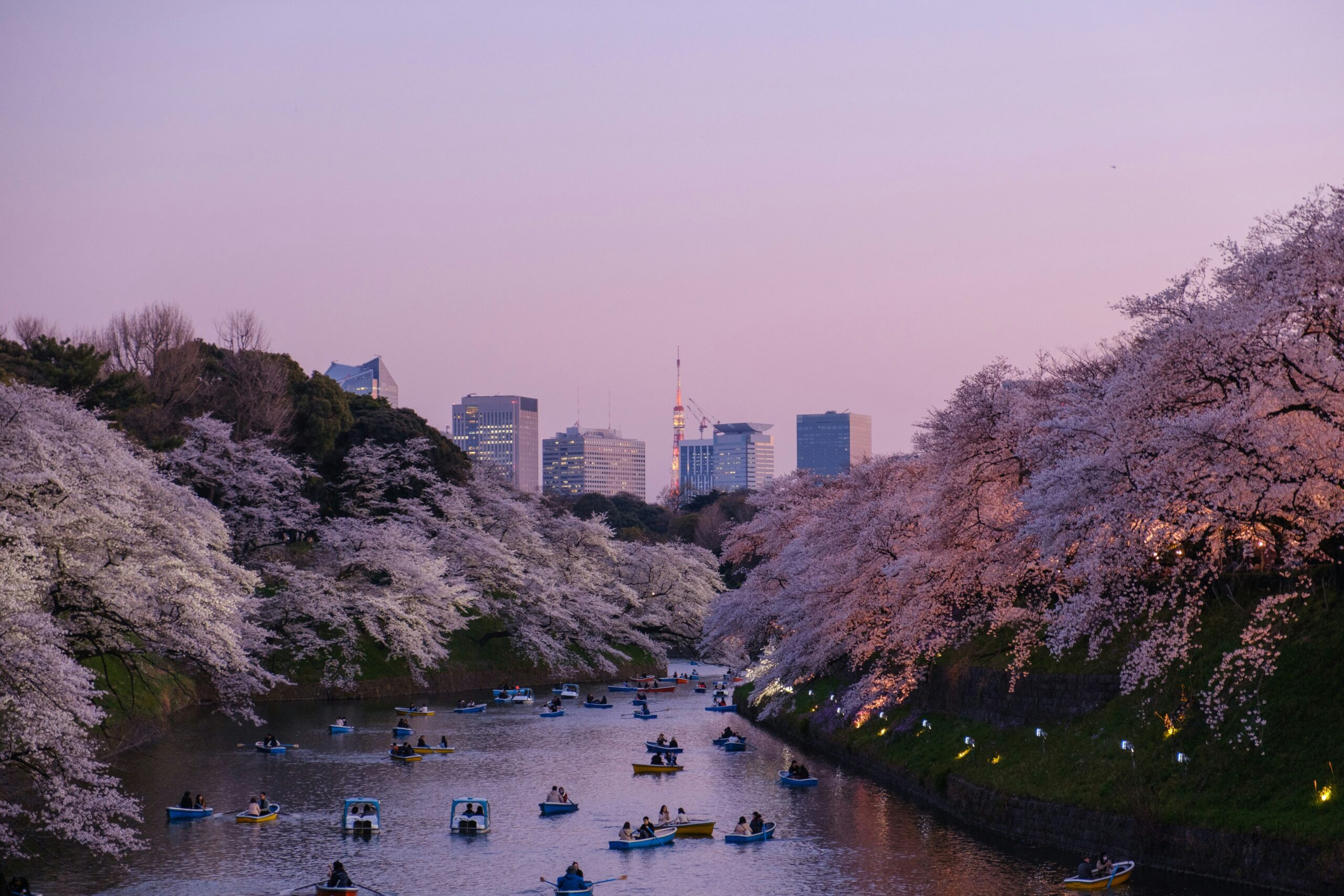
Tokyo rewards early risers. The city looks completely different before 8am, when streets that become impossibly crowded by midday are quiet and atmospheric.
Day 5: Hakone
Hakone sits in the mountains southwest of Tokyo and is the standard day trip or overnight stop for views of Mount Fuji. On a clear day, the view of Fuji across Lake Ashi is one of the great landscape images of Japan. On a cloudy day, the hot springs are reason enough to be there.
Take the Romancecar train from Shinjuku to Hakone-Yumoto, then use the Hakone Free Pass to access the ropeway, lake ferry, and open-air sculpture museum. Spend a night in a traditional onsen ryokan if the budget allows. The combination of a tatami room, kaiseki dinner, and outdoor hot spring bath in the mountain air is a genuinely exceptional experience.
Days 6 to 8: Kyoto
Kyoto is where most first-timers feel Japan most deeply. The city was the imperial capital for over a thousand years, and that history is present in every district. The scale of the temple architecture, the silence of the moss gardens, the sound of wooden sandals on stone paths in the Gion district at dusk. Kyoto delivers on every expectation and then finds ways to exceed them.
Take the Shinkansen from Hakone to Kyoto via Tokyo (use the Hikari service with your JR Pass). The journey takes just over two hours and arrives at Kyoto Station, one of the most architecturally striking train stations in the world.
Day 6
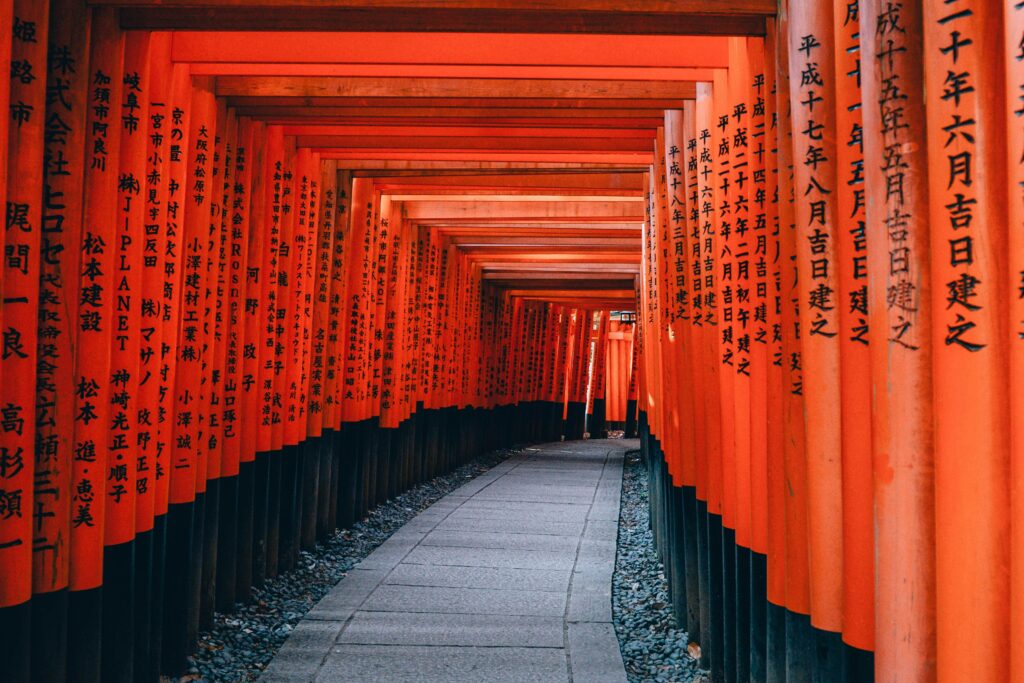
- Morning: Fushimi Inari Shrine with its thousands of torii gates (arrive before 7am for empty paths)
- Afternoon: Nishiki Market for food exploration
- Evening: Walk through Gion in the early evening when lanterns are lit and the chance of seeing a geisha is highest
Day 7
- Morning: Arashiyama Bamboo Grove before 8am, then the Tenryu-ji temple garden
- Midday: Boat ride along the Hozu River
- Afternoon: Kinkaku-ji (Golden Pavilion) and the Ryoan-ji rock garden
- Evening: Dinner in the Pontocho dining alley
Day 8
- Morning: Philosopher’s Path walk along the canal, stopping at Nanzen-ji temple
- Afternoon: Kiyomizu-dera temple with its wooden stage over the valley
- Evening: Final evening in the backstreets of Higashiyama
Day 9: Nara
Nara is a 45-minute train ride from Kyoto and one of the most unusual places in Japan. The ancient city is home to more than 1,200 wild deer that roam freely through the park surrounding Todai-ji temple, the largest wooden structure in the world and home to a 15-meter bronze Buddha.
Nara works perfectly as a day trip from Kyoto. Arrive early, spend the morning in the park and temple complex, explore the quieter Naramachi historic district in the afternoon, and return to Kyoto or continue south to Osaka by early evening.
Days 10 and 11: Osaka
Osaka has a character entirely its own. The city is louder, more direct, and more food-obsessed than Tokyo or Kyoto. The local expression kuidaore, meaning eat until you drop, is not an exaggeration. Dotonbori, the neon canal district, is one of the most visually spectacular places in Japan after dark and is essentially an outdoor food market that happens to also have a canal running through it.
Day 10 Highlights
- Morning: Osaka Castle and the surrounding park
- Afternoon: Shinsekai district and the Tsutenkaku Tower for old Osaka atmosphere
- Evening: Dotonbori for takoyaki, okonomiyaki, and the extraordinary street food scene
Day 11 Highlights
- Morning: Kuromon Ichiba Market (Osaka’s kitchen) for breakfast
- Afternoon: Amerikamura for street fashion and independent shops
- Evening: Bar hopping in the Namba or Shinsaibashi area
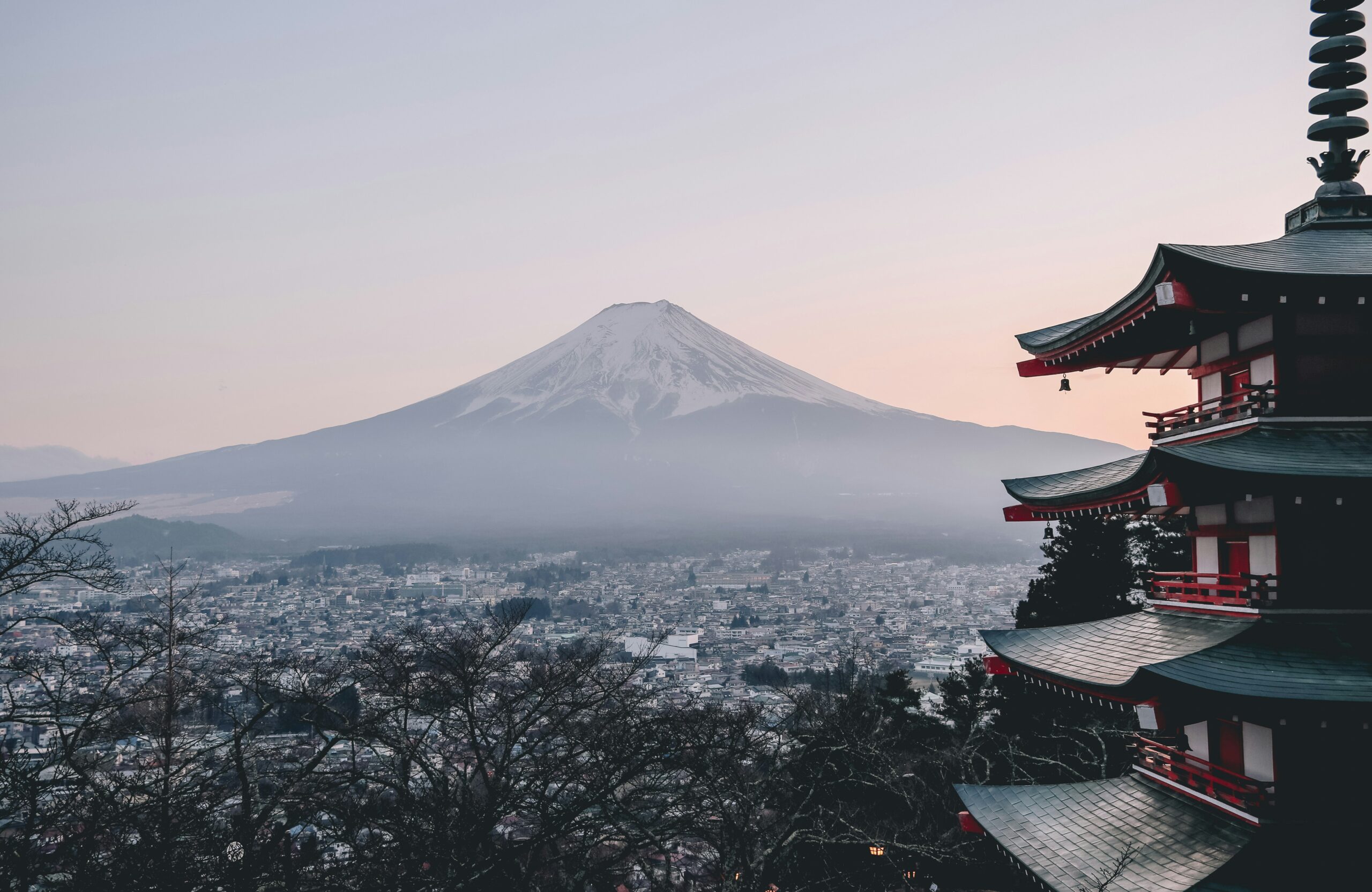
Kyoto’s bamboo grove at Arashiyama before 8am. The difference between visiting at this hour and arriving at 10am is extraordinary.
Day 12: Hiroshima and Miyajima Island
Hiroshima is an essential stop on any Japan itinerary. The Peace Memorial Museum and the A-Bomb Dome are among the most important historical sites in the world, and the experience of visiting them is genuinely moving in a way that is difficult to prepare for. The museum is exceptionally well curated and takes around two hours to visit properly.
After the memorial, take the short ferry to Miyajima Island, home to the famous floating torii gate of Itsukushima Shrine. The island is also home to wild deer, excellent oysters, and some of Japan’s most beautiful mountain hiking. Arrive in the afternoon when the light on the shrine is at its best.
Days 13 and 14: Return and Departure
Most international flights from Japan depart from Tokyo’s Narita or Haneda airports. Return to Tokyo from Hiroshima on the Shinkansen (around 90 minutes to Osaka, then another 2.5 hours to Tokyo). If your flight is in the evening, you have time for one final morning in the city.
Use the last morning for whatever felt unfinished. A quiet walk through Yanaka, one more bowl of ramen at a counter restaurant you noticed but did not have time for, or simply sitting in a garden with a green tea and letting the two weeks settle.
Japan has a quality that almost every first-time visitor experiences: the feeling, on the final day, that you have been here before. It is not familiarity. It is a kind of recognition. The country makes sense in a way that is difficult to articulate but very easy to feel.
Practical Information for Your Two Weeks in Japan
Budget Guide
| Travel Style | Daily Budget | Notes |
|---|---|---|
| Budget | $60–$90 | Hostels, convenience store meals, local trains |
| Mid-range | $150–$250 | Business hotels, restaurant meals, one ryokan night |
| Luxury | $400+ | Ryokans, omakase dinners, private transport |
Getting Around
The JR Pass handles all intercity travel. Within cities, use your IC card for local subway and bus lines. Taxis are reliable and clean, and the Japan taxi app GO works well in major cities for prebooking rides.
When Is the Best Time to Visit Japan for This Itinerary?
Timing this trip well changes the experience significantly, since Japan’s seasons are distinct and each one suits a different version of this itinerary.
| Season | Months | Why Choose It |
|---|---|---|
| Spring | Late March – early April | Cherry blossoms, mild weather; busiest and most expensive window |
| Autumn | Mid-October – late November | Maple foliage, clear skies, comfortable temperatures for walking |
| Winter | December – February | Fewer crowds, lower prices, snow-covered temples and ski access from Hakone or Kyoto |
| Summer | June – August | Hot and humid, but festivals and fireworks throughout; lowest hotel prices outside peak season |
Spring and autumn both require booking accommodation and restaurant reservations two to three months ahead, particularly in Kyoto. For the full month-by-month breakdown, including which weeks to avoid and where prices spike hardest, see our dedicated guide: Best Time to Visit Japan: Seasonal Guide.
FAQs About a Two Week Japan Itinerary
Final Thoughts
A well-planned two week Japan itinerary delivers an experience that is difficult to match anywhere in the world. The country combines ancient culture and extraordinary modernity in a way that feels entirely natural rather than forced. The food is better than you expected. The people are kinder. The trains are more punctual. The cities are more extraordinary after dark.
Come with an open itinerary and the willingness to follow something unexpected when it presents itself. The best moments of any Japan trip tend to be the ones that were not planned.
Related Japan Guides
→Japan Travel Tips First Time: Complete Guide →Best Time to Visit Japan: Full Seasonal Guide →Japan Packing List: What to Bring for Every Season →The Perfect 7 Days in Japan: One-Week ItineraryReady to Plan Your Japan Trip?
Discover more Japan guides, destination tips, and travel itineraries on Tripfavor.
Explore Tripfavor →