
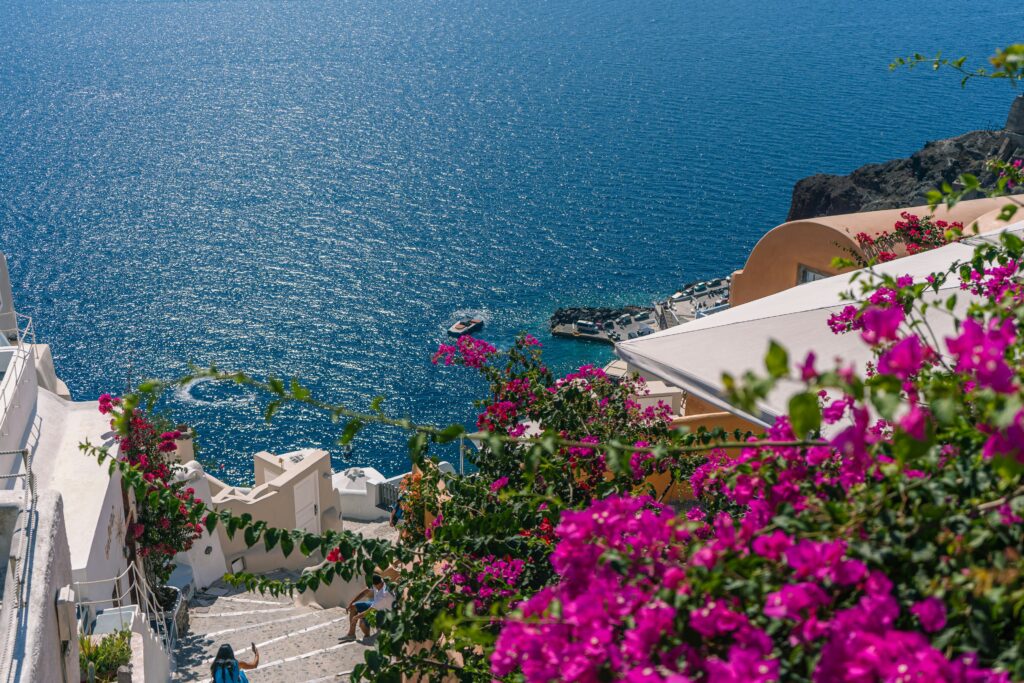
Greece is one of the most consistently rewarding destinations in the world. The combination of ancient history, island beauty, exceptional food, and a culture that treats hospitality as a genuine value is difficult to find anywhere else. This complete Greece travel guide covers everything you need: where to go, when to go, how to get between islands, what things cost, and the practical details that make the difference between a good trip and a great one.
Greece has over 6,000 islands, only 227 of which are inhabited. The mainland contains Athens, Delphi, Meteora, and the Peloponnese. The scope of what Greece offers means the most important decision for first-time visitors is not whether to go, it is how to structure the trip sensibly without trying to cover too much ground. This guide helps you do exactly that.
Greece: Quick Travel Facts

The Acropolis has stood above Athens for 2,500 years. It remains the most important ancient monument in the Western world and the essential first stop of any Greece trip.
Entry Requirements for Greece in 2026
From late 2026, travelers from visa-exempt countries including the US, UK, Canada, and Australia will need ETIAS (European Travel Information and Authorisation System) authorization to enter Greece and all other Schengen Area countries. ETIAS costs €20, is valid for three years, and is applied for online. Processing typically takes 24 to 72 hours and it is linked to your passport.
This is not a visa. Citizens of these countries can still travel to Greece for up to 90 days within any 180-day period without a traditional visa. ETIAS is simply a mandatory pre-travel electronic authorization. Check the official ETIAS website for the current launch date as the rollout timeline has shifted several times.
US, UK, Canada, Australia: ETIAS required EU citizens: no requirement 90 days maximum stayWhere Should You Go in Greece?
The starting point for most Greece trips and one of the great cities of the ancient and modern world. The Acropolis and the Parthenon are the non-negotiable first stop, allow at least three hours for the full site and arrive when it opens at 8am before the heat and crowds build. Skip-the-line tickets through Tiqets are worth it in peak season. The Acropolis Museum at the base of the hill is essential context and houses the best collection of classical Greek sculpture in the world.
Beyond the Acropolis, Athens rewards wandering. Monastiraki flea market and the Plaka neighborhood beneath the Acropolis are the tourist heart. Exarcheia is the bookshop and cafe quarter. Kolonaki is the upscale area with excellent restaurants. Psyrri is the best neighborhood for evening eating and drinking. Two full days minimum for Athens; three is better and gives you time for the National Archaeological Museum, which is one of the great collections of ancient art anywhere.
Recommended: 2 to 3 days Don’t miss: Acropolis at opening time, Acropolis MuseumThe most iconic of the Greek islands: white-washed buildings on the rim of a volcanic caldera, blue-domed churches in Oia, and sunsets that have made the island one of the most photographed places on earth. Worth visiting at least once, crowded in peak summer, and genuinely beautiful in May, early June, and September when the intensity of July and August has passed.
Our full Santorini vs Mykonos comparison helps if you are deciding between the two and our Greece timing guide covers the best months for island visits in detail.
Recommended: 3 to 4 days Best months: May, June, SeptemberGreece’s most famous party island and one of the most expensive. Excellent beaches, a beautiful windmill-dotted old town, world-class beach clubs, and some of the best nightlife in Europe. Best visited in June or September rather than the overwhelming peak of July and August. Families and budget travelers will find both Santorini and Mykonos stretching their patience and budget, quieter alternatives like Naxos, Paros, or Milos offer comparable beauty with far less pressure and cost.
Recommended: 2 to 3 days Best for: nightlife, beach clubsGreece’s largest island is effectively a destination in its own right. The Palace of Knossos is the finest Minoan archaeological site in the world. The Samaria Gorge is one of Europe’s great hiking trails, 16 kilometers through a dramatic gorge ending at a beach accessible only by sea. The old Venetian towns of Chania and Rethymno are among the most beautiful in the Mediterranean. The south coast beaches are wild and relatively uncrowded even in peak season.
Crete has one of the longest tourist seasons of any Greek island, remaining viable from April through November. It also has the most internal variety, one week in Crete genuinely feels different from one week on any of the smaller islands. A rental car through AutoEurope is close to essential here, since the south coast and mountain villages are not well served by public transport.
Recommended: 5 to 7 days minimum Best for: variety, families, hiking, historyOne of the most extraordinary sights in all of Greece and completely different from anything else in the country. Meteora is a cluster of towering rock pillars in central mainland Greece, each topped with a medieval Orthodox monastery that monks reached by rope ladders and nets until staircases were carved in the 20th century. Six monasteries remain active today.
Meteora is accessible as a day trip from the nearby town of Kalambaka, which is 4.5 hours by train from Athens. Most visitors combine it with a night or two in Kalambaka. The sunrise view from the monasteries before tour buses arrive is one of the most arresting scenes in Greece. If you have 10 or more days in Greece and are not limited to the islands, Meteora earns its place on the itinerary.
Recommended: 1 to 2 days Access: train from Athens to KalambakaThe ancient sanctuary of Delphi sits on the slopes of Mount Parnassus above a valley of olive trees, roughly 2.5 hours from Athens by bus or car. In antiquity, Delphi was considered the center of the world, the Oracle at Delphi was consulted by rulers from across the ancient Mediterranean world before every major decision. The archaeological site includes the Temple of Apollo, the ancient theatre, and the stadium, all set against a backdrop of extraordinary mountain scenery.
Delphi is the best day trip from Athens for travelers with an interest in ancient history. The site is far less crowded than the Acropolis, the scenery is dramatic, and the combination of historical significance and natural setting is unique. Stay overnight in the village of Delphi for the best experience of the site at quiet hours.
Best as: day trip or overnight from Athens 2.5 hours by bus from Athens
The Parthenon has stood on the Acropolis for 2,500 years. No photograph does justice to its scale when you stand beneath it for the first time.
The Best Greek Islands by Travel Style
10-Day Greece Itinerary
This itinerary covers Athens plus two of the most popular Cycladic islands. It works for first-time visitors and can be adjusted by swapping Mykonos for Crete or Naxos depending on your travel style.
- Days 1–2: Athens (Acropolis, Acropolis Museum, National Archaeological Museum, Plaka)
- Day 3: Athens to Santorini by ferry or flight, first Oia sunset
- Days 4–5: Santorini (caldera hike, Akrotiri, boat trip, wine tasting)
- Days 6–7: Santorini to Mykonos by ferry, Mykonos Town and beaches
- Days 8–9: Mykonos (Delos day trip, quieter beaches)
- Day 10: Return to Athens for departure
- Day 1 morning: Acropolis at 8am opening, allow 3 hours for the full site
- Day 1 afternoon: Acropolis Museum (essential context for everything you just saw)
- Day 1 evening: Dinner in Psyrri or Monastiraki area
- Day 2 morning: National Archaeological Museum, one of the world’s great ancient collections
- Day 2 afternoon: Plaka neighborhood, Monastiraki flea market
- Day 2 evening: Walk up Lycabettus Hill for panoramic Athens sunset view
- Morning ferry from Piraeus port (4–5 hours high-speed) or 45-minute domestic flight
- Afternoon: arrive, check in, explore Fira (the main town)
- Evening: first Oia sunset, arrive by 6pm to find a good spot
- Day 4: Caldera hike from Fira to Oia (10km, 3–4 hours), best done in the morning
- Day 4 afternoon: Akrotiri archaeological site (Bronze Age Minoan city preserved under volcanic ash)
- Day 5: Boat trip around the caldera, volcanic hot springs, Red Beach, lighthouse
- Day 5 evening: Wine tasting at a caldera-view winery in Imerovigli
- Morning ferry from Santorini to Mykonos (2–3 hours depending on vessel)
- Day 6 afternoon: explore Mykonos Town (Chora), windmills, Little Venice, winding lanes
- Day 7: Beach day at Paradise or Paraga beach, sun, clubs, and sea
- Day 7 evening: Dinner in Mykonos Town, evening bar-hopping in Little Venice
- Day 8: Day trip to Delos, the ancient uninhabited island 30 min by boat, extraordinary ruins
- Day 9: Ornos or Agios Sostis beach (quieter alternatives to the party beaches)
- Day 9 evening: sunset drinks at a Little Venice bar
- Morning flight from Mykonos to Athens (45 min) or ferry (2.5–5 hours)
- Afternoon: any Athens sites missed on arrival, or relax in Kolonaki
- Evening: farewell dinner at a rooftop restaurant with Acropolis view
Getting Around Greece
The backbone of Greek island travel. Ferries from Piraeus port in Athens connect to most Cycladic and Dodecanese islands. Conventional ferries are cheaper and more stable in rough weather. High-speed catamarans cut journey times by 40 to 60% but cost more and are more affected by Meltemi winds in summer.
Athens to Santorini: 5 to 8 hours conventional, 4 to 5 hours high-speed, economy €50 to €70. Athens to Mykonos: 2.5 to 5 hours depending on vessel. Compare routes and operators through Searadar and book at least one week ahead in peak season.
Fastest option between Athens and distant islands. Olympic Air and Sky Express serve most Greek airports. Crete, Rhodes, Corfu, Mykonos, and Santorini all have airports with multiple daily Athens connections. Flights take 30 to 60 minutes and cost €40 to €120 booked ahead. For islands more than five hours by ferry, flying saves significant time.
Clean, air-conditioned, and connects the airport to the city center in 40 minutes for €10. Line 2 (red) and Line 3 (blue) cover the most tourist-relevant areas including Monastiraki, Syntagma, and Acropolis stations. The metro closes around midnight, taxis and the Uber/Beat app cover late evenings. Rideshare apps work well in Athens and are significantly cheaper than tourist-facing taxis.
Food: What to Eat in Greece
The everyday street food of Greece: pork or chicken cooked on a vertical rotisserie (gyros) or skewer (souvlaki), served in pita with tomato, onion, and tzatziki. A gyros from a local grill shop costs €2.50 to €3.50. Ignore the tourist-facing versions near major sites and find where locals eat, the difference in quality and price is significant.
Tavernas throughout the islands serve fresh fish priced by weight. Look at the display case, choose what looks good, agree the weight and price before cooking. Grilled sea bream (tsipoura) and sea bass (lavraki) are the standard choices. Fresh squid (kalamari) is completely different from the frozen version served everywhere else in the world.
Small shared plates at the center of the table: tzatziki, taramasalata, grilled octopus, stuffed vine leaves (dolmades), fried zucchini with yogurt, spanakopita. Greek dining is fundamentally communal and works best when you order many dishes and share. Eating this way at a proper Greek taverna is one of the great pleasures of the destination.
Greeks drink frappe (iced instant coffee blended with water) and freddo espresso (fresh espresso chilled and served over ice with cold-frothed milk). Both are served at every cafe. Sitting with a cold coffee for two hours watching the street is not laziness, it is how Greece operates, and slowing down to participate is one of the better decisions you can make on the trip.
Budget: What Greece Costs in 2026
Realistic costs per person
What to Pack for Greece
- Lightweight breathable tops (5+)
- Linen trousers or shorts
- One smart outfit for nicer dinners
- Modest layer for church visits
- Light jacket for ferry decks
- Comfortable walking shoes
- Sandals for islands and beaches
- Sunscreen SPF50+, Greek sun is intense
- Reusable water bottle
- Portable power bank
- EU plug adapter (Type C)
- Cash in euros for islands
- Printed ferry and flight bookings
- Travel insurance documents
- Reef-safe sunscreen
- Snorkel and mask (cheaper to bring)
- Quick-dry towel
- Waterproof phone case
- Hat with good sun protection
- Flip flops for boat transfers
- Heavy luggage, stairs everywhere
- Hair dryer (provided in most hotels)
- Formal clothes (too hot, rarely needed)
- Excessive shoes (2 pairs max)
- Too many books (buy locally)
When Is the Best Time to Visit Greece?
| Month | Weather | Crowds | Verdict |
|---|---|---|---|
| April | Warm, 18–22°C | Low | Great for mainland and history |
| May | Warm, 22–26°C | Low-Medium | Best overall, sea warm, uncrowded |
| June | Hot, 27–30°C | Medium | Excellent, before peak crowds |
| July | Very hot, 32–35°C | Very High | Peak season, crowded and expensive |
| August | Very hot, 33–36°C | Very High | Avoid if possible, hottest and busiest |
| September | Hot, 28–30°C | Medium | Best month, warmest sea, fewer crowds |
| October | Warm, 22–26°C | Low | Good for Athens and Crete |
September is the honest recommendation for most first-time visitors. The sea reaches its warmest temperature of the year at 24 to 26°C, crowds thin after August, prices begin to drop from their peak, and everything is still open and operating. For a full month-by-month breakdown see our best time to visit Greece guide.
Practical Essentials
Euro. Cards accepted in Athens and on major islands. Remote islands, small tavernas, markets, and ferry deck tickets are often cash only. Always carry enough cash for a full day when island-hopping. ATMs are on most inhabited islands but not always reliable on smaller ones.
Tap water is safe in Athens and on the mainland. On most Cycladic islands including Santorini and Mykonos, tap water is desalinated and technically safe but tastes unpleasant. Drink bottled water on the islands. Stay very well hydrated in summer heat when visiting outdoor sites.
Active Greek Orthodox churches require modest dress, shoulders and knees covered. Many island churches are small and privately maintained. If the door is open you are welcome to enter quietly and respectfully. Remove hats, keep voices low, and follow any posted photography signs.
Greece is very safe. Violent crime is rare across the country. Pickpocketing is the main concern in Athens, on the airport metro line and around Monastiraki. Use a crossbody bag that zips and keep your phone in a pocket rather than your hand in crowded tourist areas.
Continue planning your Greece trip with these Tripfavor guides:
FAQ: Greece Travel Guide
Final Thoughts
Greece consistently delivers more than people expect. The cliché of whitewashed buildings and turquoise water is real but it is only part of the story. The food is genuinely extraordinary. The history is everywhere and accessible without effort. The people treat visitors with a warmth that is neither performed nor transactional. The landscape changes completely between the mainland and the islands.
The most common mistake is trying to cover too much ground. Two islands done properly is a far better trip than five islands passed through. Athens deserves two full days minimum, not a rushed morning before the ferry. Crete deserves a week on its own. Pick less, stay longer, eat more, and let Greece actually happen around you rather than rushing through it on a checklist.
Use our best time to visit Greece guide to pick your month and our Santorini vs Mykonos guide to choose your island. The rest will take care of itself.
Planning Your Greece Trip?
Read our detailed guides for Santorini, Mykonos, the best time to visit, and everything you need to know before you go.
Explore Greece Guides →
Pingback: Best Time to Visit Portugal: Month-by-Month Guide