
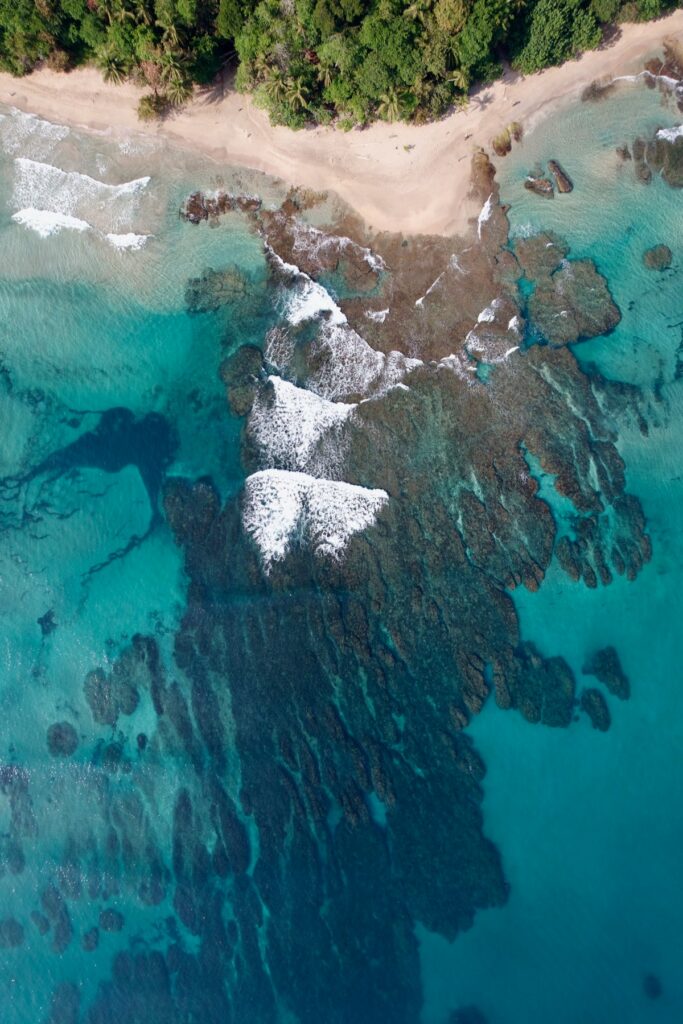
Costa Rica packs cloud forest, active volcanoes, and two coastlines into a country roughly the size of West Virginia — and drive three hours in any direction, and the climate can shift entirely. Here’s how the dry-versus-green season tradeoff actually works, and what’s worth building a first trip around.
Quick Answer
- Best time to visit: December-April (dry season) for guaranteed sun; September-October for the lowest prices
- Currency: Costa Rican Colón (CRC); US dollars widely accepted, but paying in colones usually gets a better rate
- Entry: visa-free for 90 days for most passport holders; requires a valid passport and proof of onward travel
- Wildlife season: August-October is best for turtle nesting and whale watching
- Getting around: expect long drive times between regions — the country is compact on a map but mountainous in practice

Poás Volcano’s active crater, one of several volcanoes accessible on a day trip from San José
Dry Season or Green Season: What’s the Best Time to Visit Costa Rica?
Dry season (December-April) is Costa Rica’s classic postcard weather — consistent sun, ideal for beaches and rainforest hikes alike. It’s also the busiest and most expensive stretch, with accommodation running 30-50% higher than green season and school-holiday crowds at the main attractions.
Green season (May-November) concentrates rain into afternoon showers rather than all-day downpours, leaving mornings clear for activities. Savings run 25-40% on accommodation and tours, crowds thin out dramatically, and the landscape turns dramatically lush. September-October brings the lowest prices of the year, while July-August often sees a brief dry spell locals call the “veranillo.”
Top Things to Do in Costa Rica
- Arenal Volcano & La Fortuna: hot springs, hanging bridges, and waterfall hikes around the country’s most famous (currently dormant) volcano.
- Manuel Antonio National Park: a compact park combining beaches, rainforest trails, and reliable sightings of monkeys and sloths.
- Monteverde Cloud Forest: canopy walkways and zip lines through a genuinely different ecosystem than the lowland rainforest.
- Poás or Irazu Volcano: both easily reached as a day trip from San José, with active craters visible from marked viewpoints.
- Tortuguero National Park: reachable only by boat or small plane, and one of the best places in the country for sea turtle nesting (roughly July-October).
- Guanacaste’s beaches: the driest, sunniest region, popular for surfing and all-inclusive resorts alike.
- Corcovado National Park, Osa Peninsula: remote and biodiverse, often cited as the most rewarding wildlife-watching in the country for travelers willing to make the trip.

La Fortuna Waterfall, a short hike from the town of La Fortuna near Arenal
Do You Need a Visa, and Is Costa Rica Safe?
Most passport holders, including US citizens, don’t need a visa for stays up to 90 days, but immigration checks for proof of onward travel — a return or connecting flight booking is worth having ready to show. The currency is the Colón (CRC); US dollars are accepted almost everywhere in tourist areas, but paying in colones when possible tends to get a better effective rate. Visa and Mastercard work broadly; American Express is hit or miss.
Costa Rica is generally safe for tourists, though a few scams are worth knowing: people posing as plainclothes police asking to inspect documents or cash (walk to an official station instead), rental-car break-ins (the most-reported tourist crime — never leave anything visible in the car), and taxi meters that don’t get switched on (use official stands or agree on a fare upfront).
Trip Length by Region
| Trip Length | What You’ll Cover | Best For |
|---|---|---|
| 5-7 days | Arenal/La Fortuna plus one coast (Manuel Antonio or Guanacaste) | A focused first trip |
| 10-12 days | Arenal, Monteverde, and one coast | Most first-time visitors |
| 14+ days | All of the above plus the Osa Peninsula or Tortuguero | Wildlife-focused, slower-paced trips |
Booking Tours & National Park Access
Manuel Antonio and other popular parks cap daily visitor numbers — booking entry and guided tours ahead avoids being turned away.
Renting a Car for the Drive?
A rental car (ideally 4WD) opens up Costa Rica’s more remote regions, though many travelers mix domestic flights with driving given the long mountain routes.
Planning More of the Americas?
Frequently Asked Questions
What is the best time to visit Costa Rica?
December-April (dry season) for guaranteed sun, though it’s the busiest and most expensive stretch. September-October offers the lowest prices of the year, with rain mostly limited to afternoons.
Do you need a visa to visit Costa Rica?
Most passport holders, including US citizens, can enter visa-free for up to 90 days, but need a valid passport and proof of onward travel.
Is Costa Rica safe for tourists?
Generally yes. The most common issues are rental car break-ins and minor scams (fake plainclothes police, un-metered taxis) rather than violent crime.
What currency does Costa Rica use?
The Costa Rican Colón (CRC). US dollars are widely accepted in tourist areas, though paying in colones usually gets a better rate.
What are the top things to do in Costa Rica?
Arenal Volcano and La Fortuna, Manuel Antonio National Park, Monteverde Cloud Forest, and the Osa Peninsula consistently top first-time visitors’ lists.
Final Thoughts
The dry-season-versus-green-season tradeoff is really the whole decision in Costa Rica: guaranteed sun and bigger crowds, or lower prices and a real chance of afternoon rain. Neither is wrong, but knowing which one you’re picking — rather than discovering it on arrival — makes the trip easier to plan around.
Keep Exploring
More destination guides, packing lists, and itinerary breakdowns to help plan your next trip.