
Milan landed at #6 on Tripadvisor’s list of the world’s top trending destinations for 2026, and the timing isn’t a coincidence — the Milano Cortina Winter Olympics take over the city for most of February, with ice hockey and figure skating sharing the calendar with the same fashion boutiques and design galleries that made Milan famous. Unlike Rome, Florence, or Venice, this isn’t a city built for ruins-and-canals sightseeing first — it’s Italy’s working capital of design, finance, and fashion, with a Gothic cathedral and a Da Vinci masterpiece bolted on almost as an afterthought. Here’s what actually earns a spot on the itinerary, and how to time the trip around it.
In short: Milan pairs a Gothic cathedral and Leonardo da Vinci’s Last Supper with Italy’s fashion and design capital, all inside a compact, walkable city. Two to three days covers the core sights; the Milano Cortina Winter Olympics run through most of February 2026, and Lake Como is a 40-minute train ride away for an easy day trip.
Quick Answer
- Best time to visit: April-June and September-October for mild weather and thinner crowds; February 2026 draws Olympics crowds and higher prices
- Currency: Euro (€)
- Language: Italian — English is widely spoken in hotels, restaurants, and shops in the center
- Getting around: Milan’s metro (ATM) runs a single ticket for €2.20, a 24-hour pass for €7.60, and a 3-day pass for €13
- Minimum trip length: 2-3 days for the core sights; 3-4 days to add a Lake Como day trip

Milan Cathedral’s forest of Gothic spires, lit against the evening sky
When Is the Best Time to Visit Milan?
April-June and September-October are Milan’s sweet spot: comfortable walking-around temperatures, fewer crowds at the Duomo and Last Supper, and easier availability on hotels near the center. July and August get hot and humid, and a fair share of Milanese businesses and restaurants close for the traditional August holiday, so some smaller trattorias and shops shut their doors for a week or two.
February 2026 is a special case: the Milano Cortina Winter Olympics run for most of the month, with events split between Milan and the mountains around Cortina d’Ampezzo. The city’s museums, boutiques, and restaurants stay open through it, but expect Olympic-driven demand on hotel rooms and higher prices — book well ahead if the Games overlap with a planned trip. Milan Fashion Week (late February/early March and late September) also spikes hotel prices citywide, Olympics or not, so it’s worth checking the fashion calendar before locking in dates either way.
What Are the Best Things to Do in Milan?
Milan’s must-see list runs shorter than Rome’s or Florence’s, but each stop earns its place: a Gothic cathedral with rooftop views, a Renaissance mural that requires a reservation months out, a 19th-century shopping arcade, a Sforza-family fortress, a canal district built for evening drinks, and a fashion quadrilateral that doubles as a free walking museum of window displays. Most first-time visitors can cover the core five in two focused days, with the fashion district folded into whichever afternoon has the least museum fatigue.
- Duomo di Milano: the largest church in Italy and one of the largest Gothic cathedrals in the world. A cathedral-only ticket runs about €8 (sold Wednesdays only), €10 with the museum, and €22-26 with rooftop access — the rooftop walk among the spires is worth the upgrade. Open 9am-7pm, last admission 6:10pm.
- The Last Supper (Santa Maria delle Grazie): Leonardo da Vinci’s mural is viewable only with a timed-entry reservation, around €15 per adult including the booking fee. Tickets release in blocks roughly every three months, with a smaller batch of individual tickets dropping online every Wednesday at noon for the following week — book the moment a window opens, since summer and Christmas slots sell out within hours. Arrive 30 minutes early with photo ID.
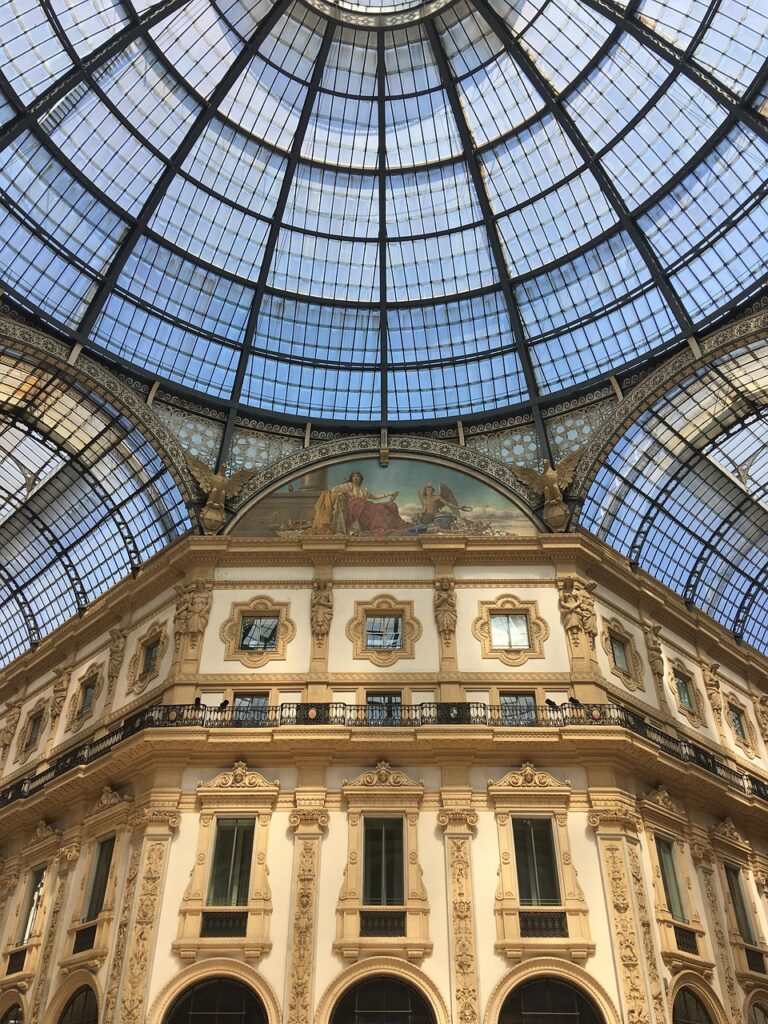
- Galleria Vittorio Emanuele II: a 19th-century glass-domed shopping arcade connecting the Duomo to La Scala, home to the original Prada storefront and a mosaic floor tourists still spin on for luck.
- Sforza Castle (Castello Sforzesco): a 15th-century fortress about a 12-minute walk from the Duomo, holding a dozen museums including Michelangelo’s final, unfinished sculpture, the Rondanini Pietà.
- Navigli canal district: Milan’s old canal network, now lined with bars, independent boutiques, and a monthly antique market along the Naviglio Grande — the best neighborhood for an evening after a day of museums.
- Quadrilatero della Moda: the fashion quadrilateral bounded by Via Montenapoleone, Via Manzoni, Via della Spiga, and Corso Venezia, holding flagship stores for Prada, Gucci, Armani, Versace, and nearly every major luxury house. Via Montenapoleone overtook New York’s Fifth Avenue in 2024 to become the world’s most expensive retail street — window-shopping is free, and the quadrilateral is compact enough to cover on foot in an afternoon.
Milan Ticket Prices at a Glance
| Sight | Price | Notes |
|---|---|---|
| Duomo (cathedral only) | €8 | Sold Wednesdays only |
| Duomo + museum | €10 | Includes Duomo Museum |
| Duomo + museum + rooftop | €22-26 | €22 by stairs, €26 by lift |
| The Last Supper | ~€15 | Reservation fee included; timed entry mandatory |

The Navigli canal district at dusk, Milan’s liveliest neighborhood after dark
What Does a Simple 2-Day Milan Itinerary Look Like?
| Day | Focus |
|---|---|
| Day 1 | Duomo & rooftop, Galleria Vittorio Emanuele II, Quadrilatero della Moda, evening in the Navigli |
| Day 2 | The Last Supper (book ahead), Sforza Castle, Brera district, an aperitivo before dinner |
With a third day, add the Lake Como day trip below, or slow down in the Isola or Porta Venezia neighborhoods, both quieter than the historic core.
How Do You Get Around Milan?
Milan’s metro, run by ATM, is the fastest way between the Duomo, Navigli, and Sforza Castle. A single ticket costs €2.20 and covers 90 minutes with one metro entry plus unlimited tram and bus transfers. For a multi-day visit, a 24-hour pass (€7.60), 3-day pass (€13), or weekly pass (€17) works out cheaper than buying single rides; a 10-trip carnet (€19.50) suits a slightly longer stay without committing to a pass. The historic center itself is compact and walkable — most first-time visitors only need the metro to reach Navigli, the Isola district, or Milano Centrale train station, and trams fill in the gaps between metro stops for neighborhoods like Brera and Porta Venezia.
Can You Day-Trip to Lake Como from Milan?
Yes — Lake Como sits about 46km from Milano Centrale, and a direct train to Como San Giovanni takes roughly 40 minutes (just over an hour to reach Varenna, on the lake’s more scenic eastern shore). Trains run direct with no transfers, departing roughly every two hours, which makes a full day trip realistic without an overnight stay: an early train out, a few hours around the lakefront towns, and an evening train back into Milan. Como’s old town works well for a shorter visit; Varenna and Bellagio, reachable by lake ferry once there, reward a slightly earlier start but deliver the more classic lake-view scenery most travelers picture.
Why Milan, Not Rome or Florence?
Rome runs on ancient ruins, Florence on Renaissance art, Venice on canals built for boats instead of cars — Milan runs on business, design, and fashion, and it looks and feels like a different country next to the other three. It’s Italy’s financial capital and its fashion capital at once, with a skyline of contemporary towers (the vertical forest of Bosco Verticale among them) sitting a short walk from a 600-year-old Gothic cathedral. Where Rome and Florence reward slow wandering through historic centers, Milan rewards a mix of museum-hopping, high-end shopping, and canal-side aperitivo — plus a launchpad location for Lake Como, the Italian Alps, and Turin, all under two hours away. For travelers who’ve already done the Colosseum-and-Uffizi circuit, Milan reads as a genuinely different trip rather than more of the same, which is part of why it keeps climbing trending-destination lists rather than settling into a fixed spot on the Italy itinerary.
Booking Your Milan Trip
Booking Duomo & Last Supper Tickets
Both the Duomo rooftop and the Last Supper run on timed entry with limited daily capacity — booking ahead is the difference between walking straight in and missing the day’s slots entirely.
Skip-the-Line Museum Tickets
Sforza Castle’s museums and the Galleria’s rooftop walks both get long ticket-counter lines in peak season and during Fashion Week — pre-booking avoids losing part of a short trip to queuing.
Seeing Multiple Sights?
A city attraction pass can work out cheaper than paying per-site if the itinerary covers several of Milan’s paid museums and viewpoints.
Planning More of Italy?
Frequently Asked Questions
What are the best things to do in Milan?
The Duomo di Milano, the Last Supper at Santa Maria delle Grazie, the Galleria Vittorio Emanuele II, Sforza Castle, the Navigli canal district, and the Quadrilatero della Moda fashion district top most first-time itineraries.
Do you need a reservation to see the Last Supper?
Yes. Timed-entry reservations are mandatory and tickets sell out fast, especially in summer and around Christmas. Tickets release in roughly three-month blocks, with a smaller batch dropping online every Wednesday at noon for the following week.
What is the best time to visit Milan?
April-June and September-October offer the best balance of mild weather and manageable crowds. February 2026 brings the Milano Cortina Winter Olympics and higher demand citywide.
How many days do you need in Milan?
2-3 days covers the Duomo, Last Supper, Navigli, and the fashion district comfortably. Add a day for a Lake Como day trip if time allows.
How do you get from Milan to Lake Como?
A direct train from Milano Centrale to Como San Giovanni takes about 40 minutes, with trains running roughly every two hours and no transfers required.
Is Milan worth visiting if you’ve already seen Rome or Florence?
Yes — Milan is Italy’s design, fashion, and business capital rather than a historic-center city, so it offers a genuinely different experience: contemporary architecture and high-end shopping alongside a major Gothic cathedral and a Renaissance masterpiece.
How much does it cost to visit the Duomo di Milano?
A cathedral-only ticket is about €8 and sold Wednesdays only; €10 adds the Duomo Museum; €22-26 adds rooftop access (€22 by stairs, €26 by lift). The Duomo and rooftop are open 9am-7pm, with last admission at 6:10pm.
What is Milan best known for?
Milan is Italy’s fashion and design capital, home to the Quadrilatero della Moda luxury shopping district, the Duomo di Milano, Leonardo da Vinci’s Last Supper, and Teatro alla Scala — and in February 2026, host city for much of the Milano Cortina Winter Olympics.
Final Thoughts
Milan doesn’t try to be Rome or Florence, and that’s exactly the point — it’s the one major Italian city built around the present as much as the past, where a 600-year-old cathedral shares a skyline with contemporary towers and the world’s most expensive shopping street. Book the Last Supper the moment a ticket window opens, save an afternoon for the Navigli at sunset, and if the calendar allows, ride the train out to Lake Como for a day — it’s close enough that skipping it would be a waste.
Keep Exploring
More destination guides, packing lists, and itinerary breakdowns to help plan your next trip.