
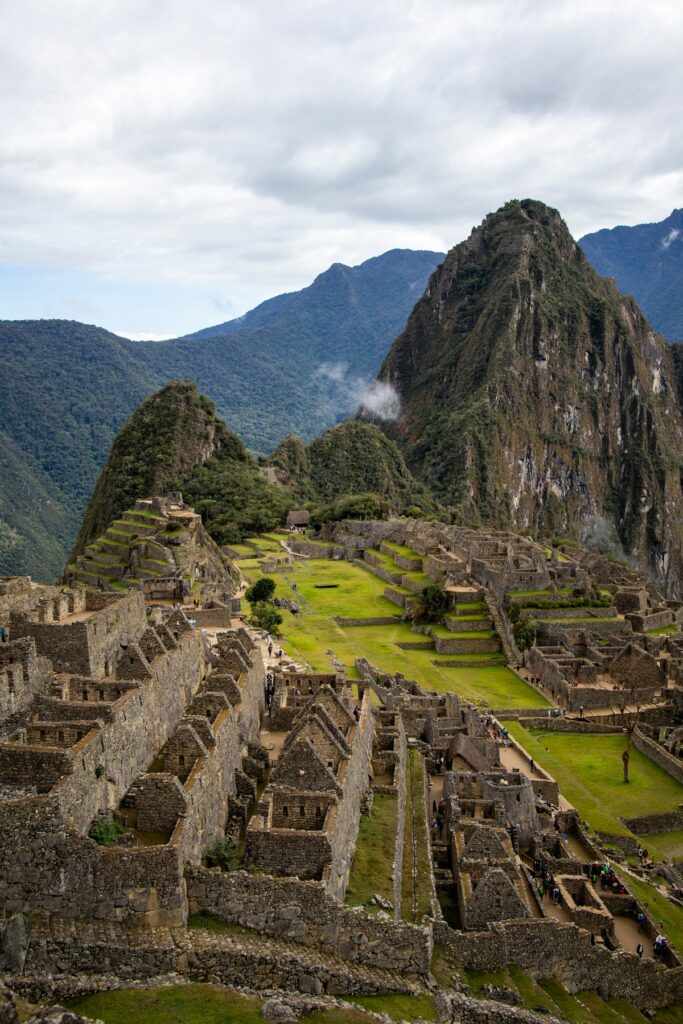
In 2026, demand for Machu Picchu is at an all-time high, with Classic Circuit tickets often selling out 60 or more days ahead of travel dates. A Peru trip built only around the citadel misses most of what the country offers — here’s how the timing, tickets, and altitude actually work, and what else deserves a spot on the itinerary.
Quick Answer
- Best time for Machu Picchu: April-October (dry season); June-August is peak season, book tickets and trains well ahead
- Currency: Peruvian Sol (PEN); small vendors, markets, and transit require soles, not dollars
- Entry: visa-free for up to 90 days for US citizens; passport must be valid 6 months beyond travel dates
- Machu Picchu cost: roughly $200-260 per person (entrance, train, and bus combined), fixed regardless of travel style
- Altitude: Cusco sits at 11,150 ft (3,400m); 40-50% of visitors feel some effect, plan 2-3 acclimatization days

The circular terraces at Moray, an Inca agricultural site in Peru’s Sacred Valley
Booking Machu Picchu in 2026
Machu Picchu tickets are non-refundable and non-reschedulable once purchased, and most now carry a strict 4-hour entry window. With 2026 demand running higher than usual, the Classic Circuit (Circuit 2) is selling out two months or more ahead — buy directly through the official tuboleto.cultura.pe platform or a trusted tour operator well before finalizing flights.
Budgeting the full cost upfront avoids surprises: entrance ($50-65), the round-trip train ($120-170), and the bus up from Aguas Calientes ($24) add up to roughly $200-260 per person regardless of whether you’re traveling budget or luxury — those three costs don’t really compress.
When Is the Best Time to Visit Peru and Machu Picchu?
Dry season (April-October) is the classic window for Machu Picchu and the Andes: sunny, clear skies, and temperatures between 15-25°C (60-77°F). June-August is the busiest stretch, with July the single busiest month — book accommodation and tickets early.
Rainy season (December-March) brings lower prices and fewer crowds at Machu Picchu, though February is wet enough that the Inca Trail closes entirely for maintenance. This is also Peru’s coastal beach season — January-March brings the warmest water and clearest skies around Lima’s coastline.
Top Things to Do in Peru
Peru rewards splitting time between the Andes and the coast rather than treating Machu Picchu as the whole trip:
- Machu Picchu: the 15th-century Inca citadel, and Peru’s single biggest draw — book well ahead for 2026.
- Cusco’s historic center: the former Inca capital, with colonial architecture built directly on top of Inca stonework around the Plaza de Armas.
- The Sacred Valley: including Moray’s circular terraces and the Pisac and Ollantaytambo ruins, usually visited over 1-2 days from Cusco.
- Lima’s Miraflores and Barranco districts: a coastal capital with one of South America’s strongest food scenes, worth 2-3 days on its own.
- Lake Titicaca, Puno: the highest navigable lake in the world, with floating Uros islands built from reeds.
- Colca Canyon, Arequipa: one of the world’s deepest canyons, known for condor sightings at dawn.
- Nazca Lines: the enormous desert geoglyphs, best seen by small overflight plane from Ica or Nazca.

Cusco’s Plaza de Armas cathedral, built over the former Inca capital
Managing Altitude in Cusco
Cusco sits at 11,150 feet (3,400m), high enough that 40-50% of visitors feel some effect — typically headaches, dizziness, shortness of breath, or nausea in the first day or two. Arriving 2-3 days before any strenuous activity gives your body time to adjust.
Simple precautions help: hydrate more than usual, eat light on arrival, and skip alcohol on day one. Coca tea is the local go-to remedy. Rest if symptoms appear, and consider descending to the Sacred Valley (lower than Cusco) for a night if they don’t ease.
Machu Picchu Trip Lengths Compared
| Trip Length | What You’ll Cover | Best For |
|---|---|---|
| 4-5 days | Cusco, Sacred Valley, Machu Picchu day trip | A focused Andes-only trip |
| 8-10 days | All of the above plus Lima and Lake Titicaca | Most first-time visitors |
| 12-14 days | All of the above plus Arequipa/Colca Canyon or the Nazca Lines | A full first tour of Peru |
Do You Need a Visa, and What Currency Does Peru Use?
US citizens can enter Peru visa-free for stays of up to 90 days, with a passport valid at least six months beyond the travel dates. Peru is generally considered safe for tourists who stick to well-traveled areas — downtown Lima, Miraflores, Barranco, Cusco, the Sacred Valley, and Machu Picchu itself all see heavy, well-established tourist traffic.
The currency is the Peruvian Sol (PEN), trading at roughly 3.70 to the dollar in 2026. Exchange most of your budget into soles — markets, local transit, and many entrance fees don’t take dollars, even in tourist-heavy areas.
Booking Machu Picchu & Sacred Valley Tours
Given how far ahead 2026 tickets are selling out, booking your Machu Picchu train and entry through a trusted operator well before your trip is worth the extra planning time.
Traveling Onward from Peru?
Compare flights and connections if you’re combining Peru with other stops in South America.
Planning More of the Americas?
Frequently Asked Questions
What is the best time to visit Peru and Machu Picchu?
April-October, the dry season, offers the clearest skies. June-August is busiest; December-March is cheaper and quieter but wetter, with the Inca Trail closed in February.
How much does a trip to Machu Picchu cost?
Entrance, round-trip train, and bus together run roughly $200-260 per person in 2026, regardless of travel style, since none of the three costs meaningfully compress.
Do you need a visa to visit Peru?
US citizens can enter visa-free for up to 90 days, with a passport valid at least six months beyond the travel dates.
Is altitude sickness a concern in Peru?
Yes — Cusco sits at 11,150 feet, and 40-50% of visitors feel some effect. Arriving 2-3 days before strenuous activity, hydrating, and avoiding alcohol on day one all help.
What currency does Peru use?
The Peruvian Sol (PEN), trading at roughly 3.70 per dollar in 2026. Markets and local transit generally require soles rather than dollars.
Final Thoughts
Machu Picchu earns the hype, but Peru’s strongest trips give equal time to Cusco’s colonial-Inca old town, the Sacred Valley, and Lima’s coast rather than treating the citadel as a single-day errand. With 2026 demand running high, the main planning risk isn’t the destination — it’s booking tickets late.
Keep Exploring
More destination guides, packing lists, and itinerary breakdowns to help plan your next trip.